
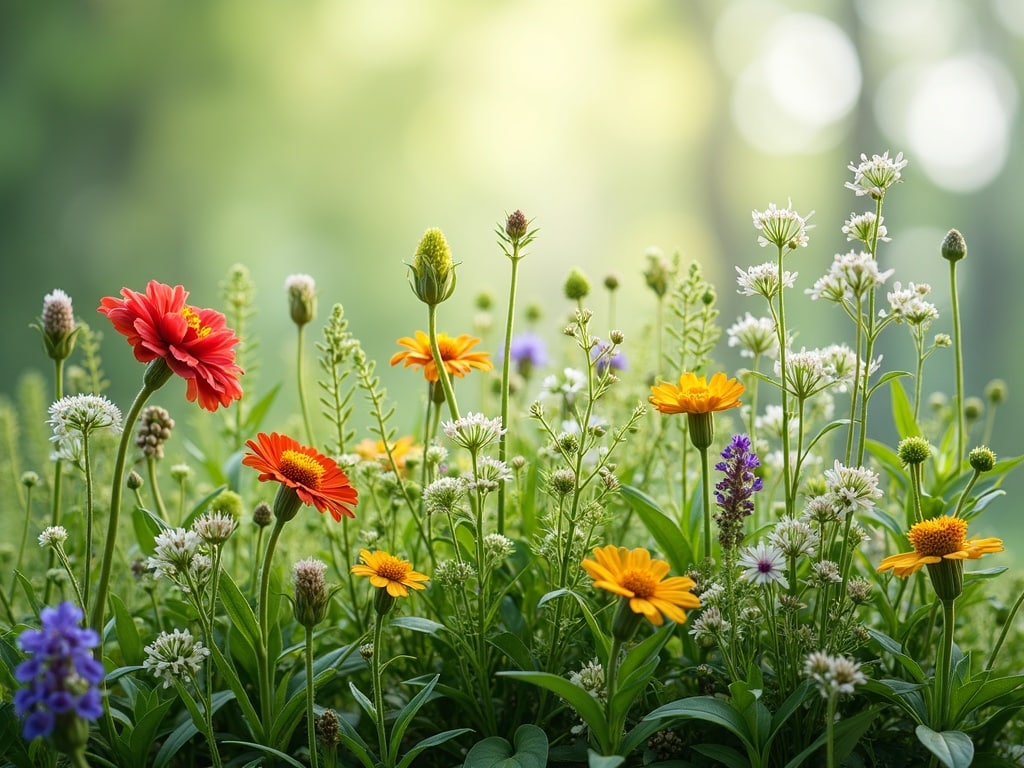
The Soothing Power of Nature: Herbs for Calming Nerves and Anxiety
In our fast-paced, hyper-connected world, anxiety has become an unwelcome companion for many. The constant barrage of information, the pressures of work and relationships, and the uncertainties of life can leave us feeling overwhelmed and on edge. While modern medicine offers various treatments, many are turning to nature's apothecary for gentle, yet effective, support. For centuries, herbs have been used to soothe frayed nerves and ease anxious minds. This article explores the potent power of herbs for calming nerves and anxiety, offering insights into their uses, benefits, and how to incorporate them into your daily life.
Understanding Anxiety and the Role of Herbs
Anxiety is more than just feeling stressed. It’s a complex condition characterized by persistent worry, fear, and unease. It can manifest physically through symptoms like rapid heartbeat, shortness of breath, muscle tension, and digestive issues. While occasional anxiety is a normal part of life, chronic anxiety can significantly impact daily functioning and overall well-being.
Herbs offer a holistic approach to managing anxiety by working gently with the body's natural systems. Unlike some pharmaceutical options, they tend to have fewer side effects and can address the root causes of anxiety rather than simply masking symptoms. Many herbs possess adaptogenic properties, meaning they help the body adapt to stress and restore balance. Others have calming and sedative effects, promoting relaxation and reducing nervous tension.
Top Herbs for Calming Nerves and Anxiety
Here's a closer look at some of the most effective herbs for calming nerves and anxiety:
1. Lavender (Lavandula angustifolia)
Lavender is perhaps the most well-known herb for relaxation. Its soothing scent is widely recognized for its calming properties. Studies have shown that lavender can reduce anxiety, improve sleep quality, and promote a sense of well-being. It works by affecting the nervous system, reducing agitation, and promoting relaxation.
How to use it:
- Essential Oil: Diffuse lavender essential oil in your home, add a few drops to a warm bath, or apply topically (diluted with a carrier oil) to your temples or wrists.
- Tea: Steep dried lavender flowers in hot water for a calming tea.
- Pillow Spray: Spritz a lavender-infused mist onto your pillow before bed to promote restful sleep.
2. Chamomile (Matricaria chamomilla)
Chamomile is another popular herb renowned for its calming effects. It contains compounds that bind to receptors in the brain that promote relaxation and reduce anxiety. It's often used to ease nervous tension, soothe digestive upset, and promote sleep.
How to use it:
- Tea: Drink a cup of chamomile tea before bed or during moments of stress.
- Extracts: Chamomile extracts can be found in capsules or liquid form.
- Bath: Add chamomile flowers or essential oil to a warm bath.
3. Passionflower (Passiflora incarnata)
Passionflower is a potent herb traditionally used to treat anxiety and insomnia. It works by increasing levels of GABA (gamma-aminobutyric acid) in the brain, a neurotransmitter that promotes relaxation and reduces nervous activity. Studies have shown passionflower to be as effective as some anti-anxiety medications in reducing anxiety symptoms, with fewer side effects.
How to use it:
- Tea: Steep dried passionflower in hot water for a calming tea.
- Tincture: Passionflower tincture can be taken directly or added to water or juice.
- Capsules: Passionflower is available in capsule form for convenient use.
4. Lemon Balm (Melissa officinalis)
Lemon balm is a refreshing herb with a bright, citrusy aroma. It has been shown to improve mood, reduce anxiety, and enhance cognitive function. Lemon balm contains compounds that increase GABA levels in the brain and also has antioxidant and anti-inflammatory properties. This herb can also improve sleep quality and reduces anxiety-related headaches.
How to use it:
- Tea: Enjoy a cup of lemon balm tea throughout the day.
- Tincture: Lemon balm tincture can be taken directly or added to water or juice.
- Essential Oil: Diffuse lemon balm essential oil or apply topically (diluted) to your temples.
5. Valerian Root (Valeriana officinalis)
Valerian root is a powerful herb with sedative and calming properties. It works by increasing GABA levels in the brain, promoting relaxation and reducing anxiety and sleep disturbances. Unlike some sedative medications, valerian root doesn't typically cause drowsiness or impair cognitive function the next day.
How to use it:
- Tea: Steep dried valerian root in hot water for a calming tea (note: the taste can be strong and earthy).
- Tincture: Valerian root tincture is a potent option for quick relief.
- Capsules: Valerian root is available in capsule form, often combined with other calming herbs.
6. Ashwagandha (Withania somnifera)
Ashwagandha is a revered adaptogenic herb in Ayurvedic medicine. It helps the body adapt to stress, reduce anxiety, and improve overall well-being. Ashwagandha works by modulating the stress hormone cortisol and supporting the adrenal glands. It can also improve sleep quality, boost energy levels, and enhance cognitive function.
How to use it:
- Powder: Add ashwagandha powder to smoothies, yogurt, or warm milk.
- Capsules: Ashwagandha is available in capsule form for convenient use.
- Tincture: Ashwagandha tincture can be taken directly or added to water or juice.

Beyond the Herbs: Lifestyle Strategies for Anxiety Relief
While herbs can be incredibly beneficial for calming nerves and anxiety, they are most effective when combined with healthy lifestyle habits. Here are some additional strategies to incorporate into your daily routine:
1. Mindful Practices
Practicing mindfulness techniques like meditation and deep breathing can help you become more aware of your thoughts and emotions, reducing reactivity and promoting a sense of calm. Even a few minutes of daily mindfulness can make a significant difference.
2. Regular Exercise
Physical activity is a powerful stress reliever. Exercise releases endorphins, which have mood-boosting effects. Aim for at least 30 minutes of moderate-intensity exercise most days of the week.
3. Healthy Diet
A balanced diet rich in fruits, vegetables, whole grains, and lean protein can support overall well-being and reduce anxiety symptoms. Avoid processed foods, sugary drinks, and excessive caffeine, as these can exacerbate anxiety.
4. Limit Screen Time
The constant stimulation from screens can overload the nervous system and contribute to anxiety. Set boundaries around screen time, especially before bed. Consider implementing a digital detox each week to disconnect and recharge.
5. Prioritize Sleep
Adequate sleep is crucial for managing anxiety. Aim for 7-9 hours of quality sleep per night. Create a relaxing bedtime routine to help you wind down, such as taking a warm bath, reading a book, or listening to calming music.
6. Connect with Nature
Spending time in nature has been shown to reduce stress and improve mood. Take a walk in the park, hike in the woods, or simply sit outside and enjoy the fresh air. The natural world offers a calming and restorative environment.
Creating Your Herbal Anxiety Relief Toolkit
Building your own herbal anxiety relief toolkit is a personalized process. Start by experimenting with different herbs to see which ones resonate with you. Consider factors such as your individual symptoms, preferences, and any potential interactions with medications you're taking. Here are some tips for creating your toolkit:
- Start Small: Begin with one or two herbs and gradually add more as you become more familiar with their effects.
- Choose Quality Products: Opt for high-quality, organic herbs from reputable sources.
- Be Consistent: Herbal remedies often work best when taken consistently over time.
- Listen to Your Body: Pay attention to how your body responds to different herbs and adjust your dosage accordingly.
- Consult with a Professional: If you have any underlying health conditions or are taking medications, consult with a qualified herbalist or healthcare provider before using herbs for anxiety.
Safety Considerations
While herbs are generally safe when used appropriately, it's essential to be aware of potential risks and precautions. Some herbs can interact with medications or cause side effects in certain individuals. Always research herbs thoroughly before using them, and consult with a healthcare professional if you have any concerns. Pregnant or breastfeeding women should exercise extra caution and avoid certain herbs altogether.
The Future of Herbal Anxiety Relief
As awareness of the limitations of conventional treatments for anxiety grows, more and more people are seeking natural alternatives. Herbal medicine offers a safe, gentle, and effective approach to calming nerves and promoting overall well-being. With ongoing research and growing interest, the future of herbal anxiety relief looks promising, offering hope and healing to those seeking a more natural path to mental wellness.
Embrace the soothing power of nature and discover the herbs that can help you find inner peace and tranquility amidst the chaos of modern life. Your journey to a calmer, more balanced you can begin today.