
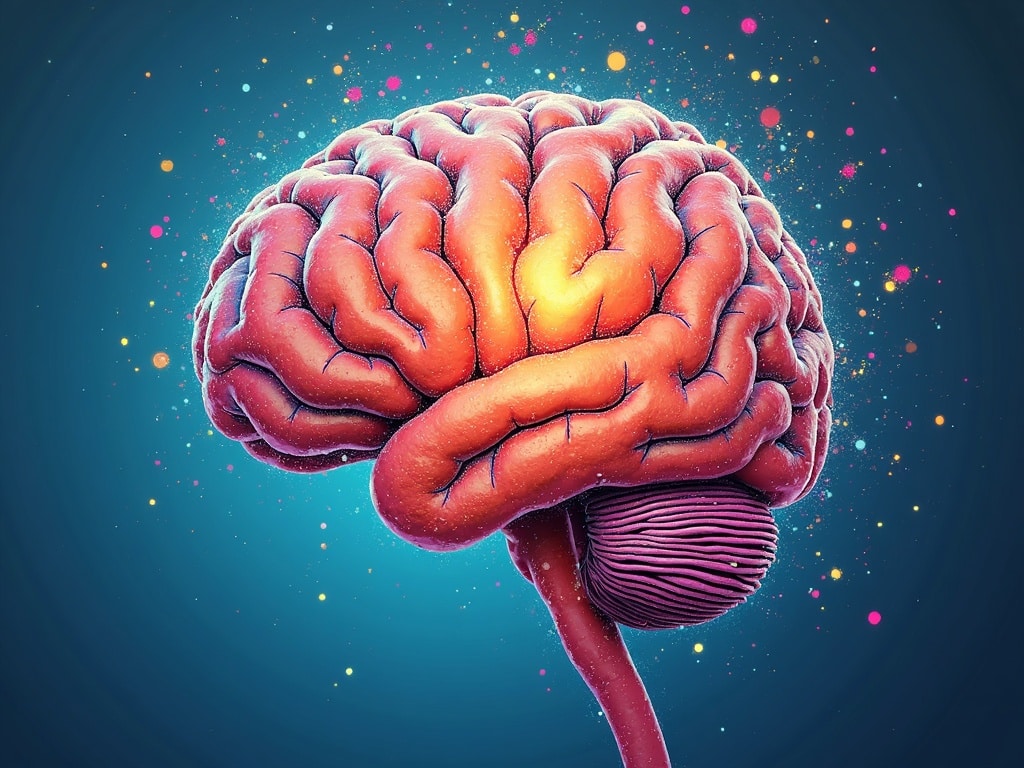
Can Stress Cause Digestive Issues? Unpacking the Gut-Brain Connection
Ever felt butterflies in your stomach before a big presentation? Or maybe experienced a sudden urge to use the restroom when facing a stressful situation? These aren't just coincidences. The connection between our minds and our guts is far more profound than we often realize. Stress, in particular, can wreak havoc on our digestive systems, leading to a host of uncomfortable and sometimes debilitating issues. Let's delve into the intricate relationship between stress and digestive health, exploring the mechanisms at play and what you can do to find relief.
Understanding the Gut-Brain Axis
The gut-brain axis is a bidirectional communication network that links the central nervous system (brain and spinal cord) with the enteric nervous system (the brain of your gut). This complex system uses neural, hormonal, and immunological pathways to exchange information constantly. Think of it as a two-way superhighway where messages are constantly being sent back and forth.
Stress, whether it's psychological, physical, or environmental, triggers a cascade of physiological responses in the body. The hypothalamic-pituitary-adrenal (HPA) axis, our central stress response system, springs into action, releasing hormones like cortisol. While cortisol is essential for managing acute stress, chronic elevation can disrupt the delicate balance of the gut-brain axis.
How Stress Impacts Digestion: The Domino Effect
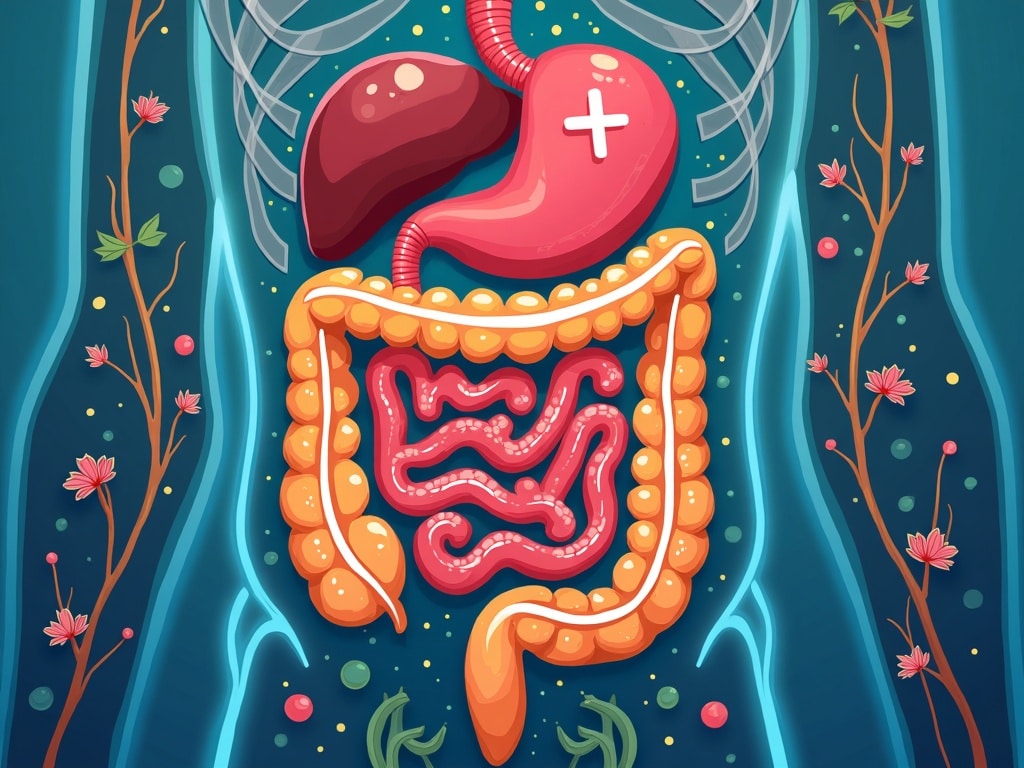
So, how exactly does stress translate into digestive distress? Here's a breakdown of the common ways stress messes with your gut:
**Changes in Gut Motility:Stress can either speed up or slow down the movement of food through your digestive tract. This can lead to diarrhea, constipation, or alternating bouts of both, as seen in Irritable Bowel Syndrome (IBS).
**Increased Gut Permeability (Leaky Gut):Stress can weaken the tight junctions between the cells lining your intestinal wall, making it more permeable. This allows undigested food particles, bacteria, and toxins to leak into the bloodstream, triggering inflammation and immune responses.
**Altered Gut Microbiota:Your gut is home to trillions of bacteria, both beneficial and harmful. Stress can disrupt the balance of this microbial ecosystem, reducing the diversity of beneficial bacteria and promoting the growth of pathogenic ones. This imbalance, known as dysbiosis, can contribute to various digestive problems.
**Reduced Digestive Enzyme Production:Stress can interfere with the production of digestive enzymes, which are essential for breaking down food into absorbable nutrients. This can lead to malabsorption, bloating, gas, and nutrient deficiencies.
**Increased Inflammation:Stress promotes inflammation throughout the body, including in the digestive tract. Chronic inflammation can damage the gut lining and contribute to conditions like inflammatory bowel disease (IBD), such as Crohn's disease and ulcerative colitis.
Common Digestive Issues Linked to Stress
Stress doesn't cause all digestive issues, but it can certainly exacerbate or trigger them. Here are some of the most common digestive problems linked to stress:
**Irritable Bowel Syndrome (IBS):IBS is a functional gastrointestinal disorder characterized by abdominal pain, bloating, gas, diarrhea, and/or constipation. Stress is a well-known trigger for IBS symptoms.
**Inflammatory Bowel Disease (IBD):While the exact cause of IBD is unknown, stress can worsen symptoms and trigger flare-ups in individuals with Crohn's disease or ulcerative colitis.
**Acid Reflux (GERD):Stress can increase stomach acid production and weaken the lower esophageal sphincter, the muscle that prevents stomach acid from flowing back up into the esophagus. This can lead to heartburn, regurgitation, and other symptoms of GERD.
**Peptic Ulcers:Although *Helicobacter pyloriinfection is the primary cause of peptic ulcers, stress can increase stomach acid production and impair the healing process, potentially contributing to ulcer development or worsening existing ulcers.
**Functional Dyspepsia:This condition involves persistent or recurrent symptoms of indigestion, such as bloating, nausea, and stomach pain, without any identifiable underlying cause. Stress is believed to play a significant role in functional dyspepsia.
Recognizing the Signs: Are Your Digestive Issues Stress-Related?
It's not always easy to tell if your digestive issues are primarily stress-related. However, here are some clues that might suggest a connection:
**Symptoms worsen during or after stressful periods:Do you notice a clear correlation between your stress levels and your digestive symptoms?
**Other stress-related symptoms:Are you experiencing other symptoms of stress, such as anxiety, depression, fatigue, headaches, or sleep disturbances?
**No underlying medical condition:Have you been thoroughly evaluated by a doctor who has ruled out other potential causes of your digestive issues?
**Improvement with stress management techniques:Do your symptoms improve when you actively manage your stress levels?
If you suspect that stress is contributing to your digestive issues, it's essential to consult with a healthcare professional for proper diagnosis and treatment.
Strategies for Managing Stress-Related Digestive Issues
Fortunately, there are many effective ways to manage stress and alleviate its impact on your digestive system. Here are some evidence-based strategies:
**Stress Reduction Techniques:**
**Mindfulness Meditation:Practicing mindfulness can help you become more aware of your thoughts and feelings without judgment, reducing stress and anxiety.
**Deep Breathing Exercises:Deep, diaphragmatic breathing can activate your parasympathetic nervous system, promoting relaxation and reducing stress hormones.
**Yoga and Tai Chi:These mind-body practices combine physical postures, breathing techniques, and meditation to reduce stress and improve overall well-being.
**Progressive Muscle Relaxation:This technique involves tensing and relaxing different muscle groups in your body to reduce tension and promote relaxation.
**Lifestyle Modifications:**
**Regular Exercise:Physical activity is a powerful stress reliever and can improve digestion by stimulating gut motility.
**Sufficient Sleep:Aim for 7-9 hours of quality sleep per night to support your body's stress response and overall health.
**Healthy Diet:Eating a balanced diet rich in fruits, vegetables, whole grains, and lean protein can nourish your gut and reduce inflammation.
**Limit Caffeine and Alcohol:These substances can exacerbate digestive symptoms and interfere with sleep.
**Dietary Changes:**
**Identify Trigger Foods:Keep a food journal to track your symptoms and identify foods that seem to worsen them. Common triggers include gluten, dairy, processed foods, and sugary drinks.
**Follow a Low-FODMAP Diet:FODMAPs (fermentable oligosaccharides, disaccharides, monosaccharides, and polyols) are types of carbohydrates that can be poorly absorbed in the gut, leading to gas, bloating, and diarrhea. A low-FODMAP diet can be helpful for managing IBS symptoms.
**Consider Probiotics:Probiotics are live microorganisms that can help restore the balance of bacteria in your gut. Choose a high-quality probiotic supplement that contains multiple strains of beneficial bacteria.
**Increase Fiber Intake:Fiber adds bulk to your stool and promotes regular bowel movements. Aim for at least 25-30 grams of fiber per day from sources like fruits, vegetables, whole grains, and legumes.
**Therapy and Counseling:**
**Cognitive Behavioral Therapy (CBT):CBT can help you identify and change negative thought patterns and behaviors that contribute to stress and anxiety.
**Gut-Directed Hypnotherapy:This type of hypnotherapy focuses on reducing gut-related symptoms and improving quality of life.
**Stress Management Counseling:A therapist or counselor can teach you effective stress management techniques and help you develop coping strategies.
When to Seek Professional Help
While self-care strategies can be helpful, it's important to seek professional help if your digestive issues are severe, persistent, or interfering with your daily life. Consult a doctor if you experience any of the following:
**Severe abdominal pain**
**Bloody stools**
**Unexplained weight loss**
**Persistent diarrhea or constipation**
**Fever**
**Vomiting**
A healthcare professional can evaluate your symptoms, perform necessary tests, and recommend the most appropriate treatment plan for your specific condition.
The Bottom Line: Nurturing Your Gut and Mind
The connection between stress and digestive issues is undeniable. By understanding the gut-brain axis and the ways in which stress can impact your digestive system, you can take proactive steps to manage your stress levels and improve your gut health. Remember to prioritize self-care, adopt healthy lifestyle habits, and seek professional help when needed. Nurturing both your gut and your mind is essential for overall well-being and a happier, healthier life.