
Unlock Your Brain's Potential: The Power of Magnesium L-Threonate for Cognitive Enhancement
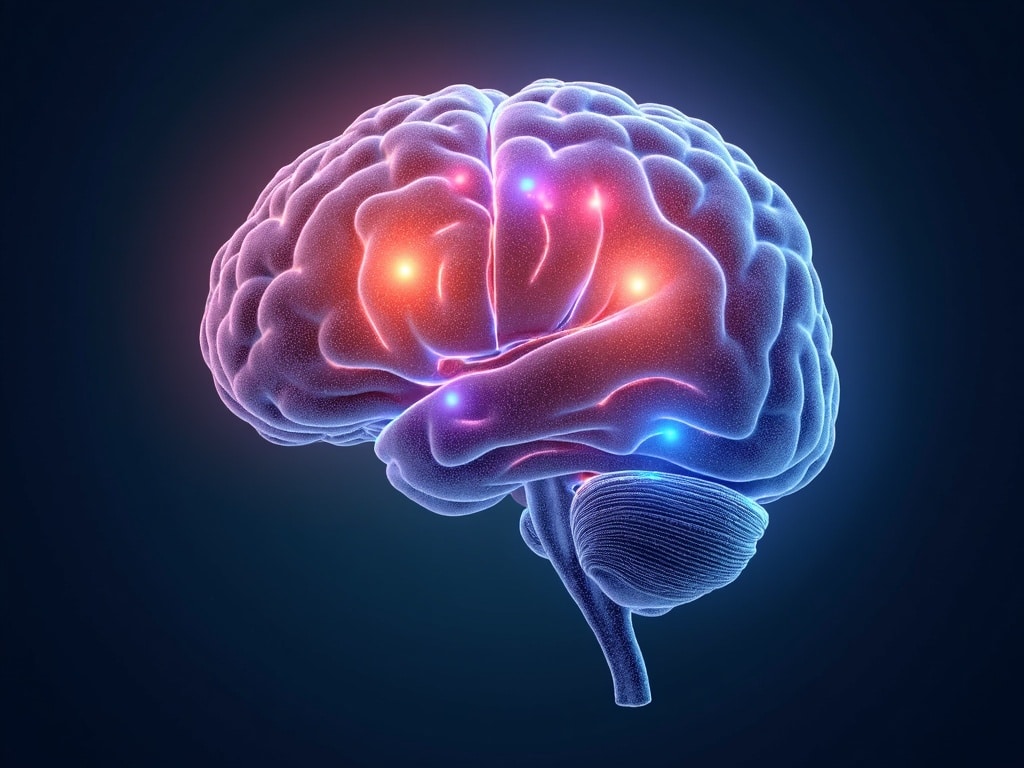
Imagine a world where your memory feels sharper, your thoughts flow more freely, and mental fog is a distant memory. For many, this ideal feels tantalizingly out of reach, especially as age and the pressures of modern life take their toll on cognitive function. But what if there was a natural yet powerful compound that could help unlock your brain's true potential? Enter magnesium L-threonate, a revolutionary form of magnesium that's making waves for its remarkable ability to cross the blood-brain barrier and nourish the mind.
What is Magnesium L-Threonate?
Magnesium is an essential mineral involved in hundreds of bodily functions, from energy production to muscle relaxation. It plays a vital role in brain health, supporting nerve transmission, synaptic plasticity, and overall cognitive performance. However, not all forms of magnesium are created equal when it comes to brain bioavailability. This is where magnesium L-threonate (MgT) shines.
MgT is a unique form of magnesium chelated with L-Threonic acid, a vitamin C metabolite. This combination allows it to efficiently cross the blood-brain barrier, the protective shield that filters substances entering the brain. By directly delivering magnesium to brain cells, MgT can help optimize neurological function and promote cognitive health.
The Science Behind Magnesium L-Threonate and Brain Health
Extensive research has explored the potential benefits of magnesium L-threonate for brain health. Here's a breakdown of the key mechanisms and findings:
Enhancing Synaptic Plasticity
Synaptic plasticity refers to the brain's ability to strengthen or weaken connections between neurons over time, a crucial process for learning and memory. Studies suggest that MgT can enhance synaptic plasticity by increasing the number of functional synapses in the hippocampus, a brain region vital for memory formation. A 2010 study published in the journal Neuron found that MgT supplementation significantly improved spatial memory and learning abilities in rats.
Boosting Brain Magnesium Levels
Many people, especially those with certain health conditions or dietary deficiencies, have suboptimal brain magnesium levels. This can impair cognitive function and increase the risk of neurological problems. MgT effectively raises brain magnesium concentrations, helping to restore optimal neuronal function. Research indicates that MgT can elevate magnesium levels in the cerebrospinal fluid (CSF), which surrounds the brain and spinal cord, indicating improved brain magnesium status.
Protecting Against Neurodegeneration
Neurodegeneration, the progressive loss of brain cells, is a hallmark of age-related cognitive decline and conditions like Alzheimer's disease. Magnesium possesses neuroprotective properties, helping to shield brain cells from damage caused by oxidative stress, inflammation, and excitotoxicity (neuronal damage caused by excessive stimulation). MgT may offer enhanced neuroprotection due to its ability to directly reach brain cells and counteract these harmful processes.
Cognitive Benefits of Magnesium L-Threonate
The potential benefits of magnesium L-threonate extend to various aspects of cognitive function:
- Improved Memory: Studies show that MgT can enhance both short-term and long-term memory, making it easier to recall information and learn new things.
- Enhanced Learning: By promoting synaptic plasticity, MgT can facilitate learning and improve cognitive performance in academic or professional settings.
- Increased Attention Span: Some users report that MgT helps them focus better and maintain attention for longer periods.
- Reduced Brain Fog: MgT may help clear mental fog and improve overall mental clarity, allowing for sharper thinking and decision-making.
- Mood Support: Magnesium plays a role in mood regulation, and MgT supplementation may help alleviate symptoms of anxiety and depression in some individuals.
Who Can Benefit from Magnesium L-Threonate?
While magnesium L-threonate offers widespread potential benefits, certain groups may find it particularly helpful:
- Older Adults: Age-related cognitive decline is a major concern, and MgT may help to preserve memory and cognitive function in older adults.
- Students: MgT can enhance learning and memory, making it a valuable tool for students facing demanding academic workloads.
- Professionals: Individuals in cognitively demanding professions may benefit from MgT's ability to improve focus, attention, and mental clarity.
- Individuals with Mild Cognitive Impairment: Early research suggests that MgT may help slow the progression of mild cognitive impairment.
- Those Seeking Mood Support: If you experience symptoms of anxiety or depression, MgT may offer some relief, although it should not be considered a replacement for conventional treatment.
How to Use Magnesium L-Threonate
If you're considering trying magnesium L-threonate, it's crucial to use it safely and effectively. Here are a few guidelines:
Dosage
The recommended dosage of magnesium L-threonate varies depending on the product and individual needs. A typical dose ranges from 144 mg to 2,000 mg per day, usually divided into multiple doses. It's best to start with a lower dose and gradually increase it as needed, monitoring your body's response.
Timing
MgT can be taken with or without food. Some people prefer to take it in the morning to enhance focus and energy levels throughout the day, while others take it before bed to promote relaxation and improve sleep quality. Experiment to see what works best for you.
Potential Side Effects
Magnesium L-threonate is generally well-tolerated, but some individuals may experience mild side effects, such as:
- Gastrointestinal discomfort (nausea, diarrhea, or stomach cramps)
- Headaches
- Drowsiness
These side effects are usually temporary and resolve on their own. If you experience persistent or severe side effects, discontinue use and consult with your healthcare provider.
Precautions
Before taking magnesium L-threonate, it's essential to consider the following precautions:
- Consult with Your Doctor: Talk to your physician before taking MgT, especially if you have any underlying health conditions or are taking medications.
- Kidney Problems: People with kidney problems should use MgT with caution, as impaired kidney function can affect magnesium excretion.
- Drug Interactions: Magnesium can interact with certain medications, such as antibiotics, bisphosphonates, and diuretics.
- Pregnancy and Breastfeeding: There is limited information available about the safety of MgT during pregnancy and breastfeeding. It's best to err on the side of caution and avoid using it during these periods.
Choosing a Magnesium L-Threonate Supplement
With the rising popularity of magnesium L-threonate, numerous supplements are available on the market. To ensure you're getting a high-quality and effective product, consider the following factors:
Third-Party Testing
Look for supplements that have been third-party tested for purity, potency, and contaminants. This ensures that the product contains the stated amount of MgT and is free from harmful substances.
Reputable Brands
Choose supplements from reputable brands that adhere to good manufacturing practices (GMP) and have a track record of producing quality products.
Ingredients
Check the ingredient list to ensure that the supplement contains only magnesium L-threonate and any necessary excipients (inactive ingredients). Avoid products with artificial colors, flavors, or preservatives.
Read Reviews
Read online reviews from other users to get an idea of their experiences with the supplement. However, keep in mind that individual results may vary.
Lifestyle Enhancements for Brain Health
While magnesium L-threonate can be a valuable tool for supporting brain health, it's most effective when combined with a healthy lifestyle that includes:
- Balanced Diet: Consume a diet rich in fruits, vegetables, whole grains, and healthy fats.
- Regular Exercise: Engage in regular physical activity to improve blood flow to the brain and boost cognitive function.
- Adequate Sleep: Aim for 7-8 hours of quality sleep per night to allow your brain to consolidate memories and repair itself.
- Stress Management: Practice stress-reducing techniques, such as meditation, yoga, or deep breathing exercises.
- Mental Stimulation: Engage in mentally stimulating activities, such as reading, puzzles, or learning new skills, to keep your brain sharp.
The Future of Magnesium L-Threonate Research
Research on magnesium L-threonate is ongoing, and future studies may shed light on its potential benefits for a wider range of neurological conditions. Areas of interest include:
- Alzheimer's Disease: Investigating the role of MgT in preventing or slowing the progression of Alzheimer's disease.
- Traumatic Brain Injury (TBI): Exploring the potential of MgT to promote brain healing and recovery after TBI.
- Anxiety and Depression: Further research on the effects of MgT on mood regulation and its potential as an adjunct treatment for anxiety and depression.
Conclusion
Magnesium L-threonate is a promising natural compound that offers a unique approach to supporting brain health. By effectively raising brain magnesium levels and enhancing synaptic plasticity, it may help improve memory, learning, attention, and overall cognitive function. While MgT is not a magic bullet, it can be a valuable addition to a healthy lifestyle aimed at optimizing brain health and unlocking your cognitive potential. As always, consult with your healthcare provider before adding any new supplements to your regimen.