
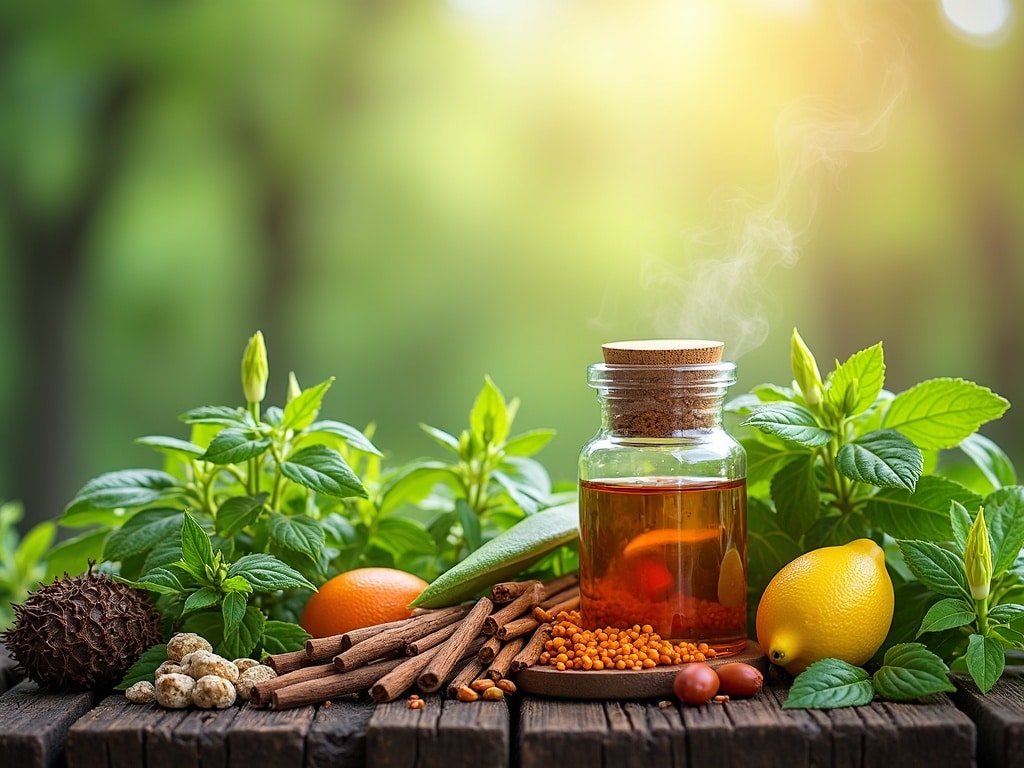
Unlocking Nature's Pharmacy: Herbs for a Stronger Immune System
Imagine your immune system as a vigilant army, constantly patrolling your body, ready to defend against invaders. But even the most dedicated army needs supplies and reinforcements. That's where the incredible power of herbs comes in. For centuries, cultures around the world have turned to nature's pharmacy to bolster their defenses and maintain optimal health. In this comprehensive guide, we'll explore the most potent herbs for a stronger immune system, revealing their secrets and showing you how to incorporate them into your daily life.
The Immune System: A Quick Overview
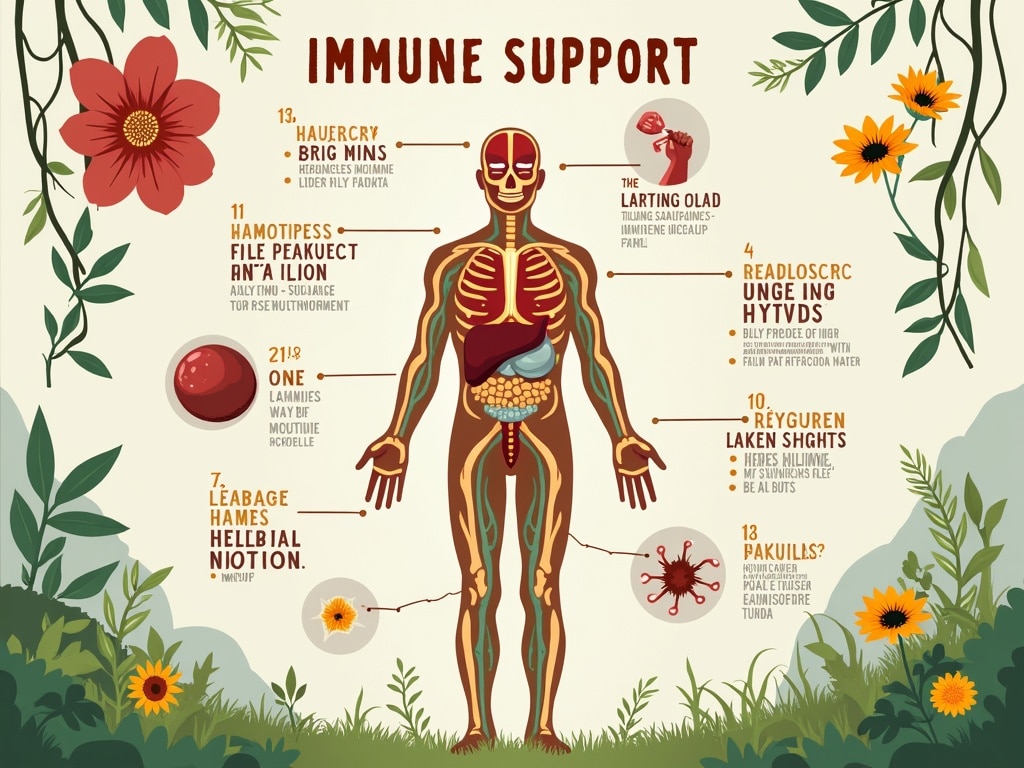
Before diving into the herbal allies, let's briefly revisit the basics of the immune system. This intricate network of cells, tissues, and organs works tirelessly to protect you from harmful pathogens like bacteria, viruses, fungi, and parasites. Key players include:
- White blood cells (leukocytes): The soldiers of your immune system, identifying and destroying invaders.
- Antibodies: Specialized proteins that recognize and neutralize specific pathogens.
- The lymphatic system: A network of vessels and tissues that filters waste and pathogens from the body.
- The complement system: A group of proteins that enhance the ability of antibodies and phagocytic cells to clear microbes and damaged cells from an organism, promote inflammation, and attack the pathogen's cell membrane.
A weakened immune system can leave you vulnerable to infections, fatigue, and chronic illnesses. Factors like stress, poor diet, lack of sleep, and environmental toxins can all compromise immune function. Thankfully, strategic use of herbs can provide the support your immune system needs to stay strong and resilient.
Top Herbs for Immune Support: A Deep Dive
Here's a rundown of some of the most effective and well-researched herbs for boosting immunity:
1. Echinacea: The Infection Fighter
Echinacea is perhaps the most well-known herb for immune support. Native to North America, it has been used for centuries by indigenous peoples to treat infections and wounds. Research suggests that echinacea can stimulate the production of white blood cells, enhancing the body's ability to fight off infections, particularly those of the upper respiratory tract. It is most effective when taken at the first sign of illness.
How to Use: Echinacea is available in various forms, including teas, tinctures, capsules, and lozenges. Follow the dosage instructions on the product label. Cycling echinacea (taking it for a few weeks, then taking a break) is often recommended.
2. Elderberry: The Viral Shield
Elderberry, derived from the dark purple berries of the European elder tree (Sambucus nigra), is a potent antiviral agent. Studies have shown that elderberry extract can significantly reduce the duration and severity of flu symptoms. It works by preventing the virus from attaching to host cells, effectively stopping the infection in its tracks. Furthermore, elderberry is packed with antioxidants, which protect cells from damage caused by free radicals.
How to Use: Elderberry syrup is a popular and palatable option. Elderberry lozenges and capsules are also available. Ensure the elderberries are cooked before consumption, as raw elderberries can be toxic.
3. Astragalus: The Immune Builder
Astragalus is a staple of traditional Chinese medicine, revered for its adaptogenic and immune-boosting properties. Adaptogens help the body adapt to stress, which can weaken the immune system. Astragalus is believed to enhance immune function by increasing the activity of immune cells and promoting the production of interferon, a protein that inhibits viral replication. Unlike echinacea, which is best used at the onset of illness, astragalus is typically used as a long-term immune tonic.
How to Use: Astragalus root can be simmered in soups and stews, or taken as a tea, tincture, or capsule. Consult with a qualified herbalist or healthcare provider for appropriate dosage, especially if you have an autoimmune condition.
4. Garlic: The Microbial Warrior
Garlic is more than just a culinary delight; it's a powerful medicinal herb with potent antimicrobial and antiviral properties. Allicin, the active compound in garlic, has been shown to inhibit the growth of various bacteria, viruses, and fungi. Garlic also boosts the activity of immune cells and enhances the production of antibodies. Regular garlic consumption can contribute to a stronger, more resilient immune system.
How to Use: Eat raw garlic cloves for maximum benefit. Adding garlic to your cooking is also beneficial, though heat can reduce the amount of allicin. Garlic supplements are available for those who prefer a less pungent option.
5. Ginger: The Inflammation Tamer
Ginger is a warming spice with potent anti-inflammatory and antioxidant properties. Chronic inflammation can suppress immune function, so reducing inflammation is crucial for maintaining a strong immune system. Ginger also has antiviral properties and can help relieve symptoms of colds and flu, such as sore throat and congestion. Its ability to soothe the digestive system is an added bonus, as a healthy gut is essential for optimal immune function.
How to Use: Add fresh ginger to smoothies, stir-fries, and soups. Ginger tea is a soothing and effective remedy for colds and flu. Ginger supplements are also available.
6. Turmeric: The Antioxidant Powerhouse
Turmeric, a vibrant yellow spice, is renowned for its powerful anti-inflammatory and antioxidant properties, primarily attributed to curcumin, its active compound. Curcumin helps protect cells from damage caused by free radicals and reduces inflammation throughout the body. Research suggests that curcumin can also modulate immune cell function, enhancing the body's ability to fight off infections.
How to Use: Add turmeric to curries, soups, and smoothies. To enhance curcumin absorption, consume turmeric with black pepper, which contains piperine. Turmeric supplements are also available.
7. Licorice Root: The Adaptogenic Soother
Licorice root has a long history of use in traditional medicine for its anti-inflammatory, antiviral, and adaptogenic properties. It contains glycyrrhizin, a compound that has been shown to inhibit the replication of various viruses, including influenza and herpes simplex virus. Licorice root also helps soothe irritated mucous membranes, making it beneficial for coughs and sore throats.
How to Use: Licorice root tea is a popular remedy for coughs and sore throats. Licorice root supplements are also available. Use with caution if you have high blood pressure, as licorice root can elevate blood pressure levels.
Beyond Herbs: Lifestyle Factors for a Strong Immune System
While herbs can be powerful allies in supporting your immune system, they are most effective when combined with healthy lifestyle habits:
- Eat a balanced diet: Focus on whole, unprocessed foods, including plenty of fruits, vegetables, and lean protein.
- Get enough sleep: Aim for 7-9 hours of quality sleep per night.
- Manage stress: Practice relaxation techniques such as meditation, yoga, or spending time in nature.
- Exercise regularly: Engage in moderate-intensity exercise most days of the week.
- Stay hydrated: Drink plenty of water throughout the day.
- Maintain good hygiene: Wash your hands frequently to prevent the spread of germs.
- Consider Supplements: Vitamin D, Vitamin C, and Zinc are critical for a robust immune system.
Cautions and Considerations
While herbs are generally safe, it's important to be aware of potential side effects and interactions. Consult with a qualified herbalist or healthcare provider before using herbs, especially if you are pregnant, breastfeeding, have a medical condition, or are taking medications. Some herbs may interact with certain medications or exacerbate existing health conditions. It is always better to be cautious.
- Allergies: Be aware of any known allergies to plants in the same family as the herb you are using.
- Drug interactions: Some herbs can interact with medications, altering their effectiveness or increasing the risk of side effects.
- Dosage: Follow the dosage instructions on the product label or as directed by your healthcare provider.
- Quality: Choose high-quality herbs from reputable sources.
Incorporating Herbs into Your Daily Routine: Practical Tips
Making herbs a part of your daily life doesn't have to be complicated. Here are a few simple ways to incorporate these immune-boosting allies into your routine:
- Start your day with a herbal tea: A cup of ginger or echinacea tea can be a refreshing and immune-supportive way to begin your day.
- Add herbs to your cooking: Incorporate garlic, ginger, turmeric, and other herbs into your meals whenever possible.
- Make a herbal syrup: Elderberry syrup is a delicious and effective way to protect against viral infections.
- Take herbal supplements: If you find it difficult to incorporate herbs into your diet, consider taking herbal supplements in capsule or tincture form.
- Grow your own herbs: Gardening can be a therapeutic and rewarding way to cultivate your own supply of fresh herbs.
The Synergy of Holistic Health
Using **herbs for a stronger immune systemis more than just a quick fix; it's about embracing a holistic approach to health and well-being. By combining the power of herbs with a healthy lifestyle, you can create a strong foundation for a resilient and vibrant immune system. Listen to your body, work with qualified professionals, and discover the incredible potential of nature's pharmacy to unlock your optimal health.
Final Thoughts
Your immune system is your body's first line of defense. Nurturing it with the power of herbs and adopting a healthy lifestyle will fortify your body against the barrage of daily threats. Embrace these time-tested natural remedies and empower your immune system to safeguard your well-being for years to come.