
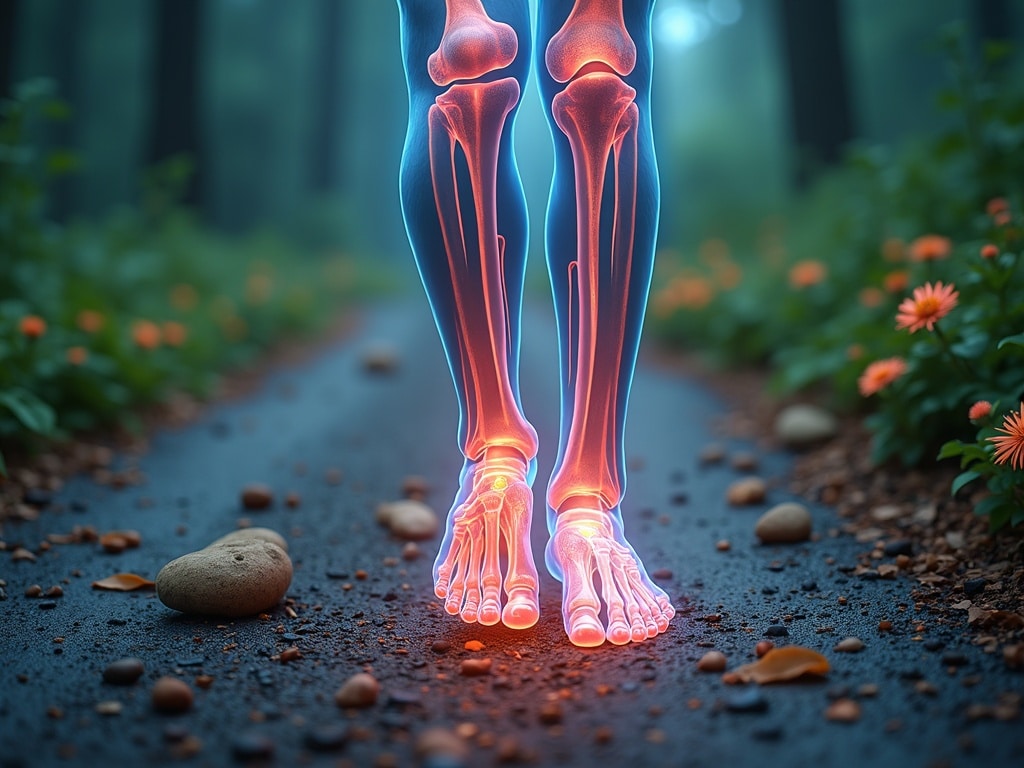
Natural Remedies for Osteoarthritis Management
The biting chill of winter mornings, the dampness that seeps into your bones – these aren't just weather conditions; they're signals. Signals that osteoarthritis, that unwelcome guest in your joints, is making its presence known. The stiffness, the throbbing ache, the limited range of motion – it's a symphony of discomfort that can orchestrate a significant disruption to your daily life. But what if you could conduct your own orchestra, a counter-melody of natural healing to harmonize with your body's needs? What if you could manage osteoarthritis with natural remedies, easing the pain and reclaiming your mobility?
Understanding Osteoarthritis
Osteoarthritis (OA), the most common form of arthritis, is a degenerative joint disease. It's characterized by the breakdown of cartilage, the smooth, cushioning tissue that protects the ends of bones in a joint. This breakdown causes pain, swelling, stiffness, and decreased range of motion. It's not just about wear and tear, as it was once commonly believed. Osteoarthritis is a complex process influenced by genetics, age, injury, and inflammation. While conventional treatments like pain relievers and physical therapy offer relief, many seek complementary and alternative approaches, including natural remedies for osteoarthritis management.
Who is at Risk?
Several factors increase your risk of developing osteoarthritis:
- Age: The risk increases with age.
- Obesity: Excess weight puts more stress on weight-bearing joints.
- Joint Injuries: Previous injuries, even those that occurred years ago, can increase the risk.
- Genetics: A family history of osteoarthritis increases your susceptibility.
- Gender: Women are more likely to develop osteoarthritis than men, especially after age 50.
Dietary Strategies: Food as Medicine
Hippocrates famously said, Let food be thy medicine and medicine be thy food. This holds particularly true when it comes to managing osteoarthritis. The right dietary choices can significantly impact inflammation and joint health.
Anti-Inflammatory Powerhouses
Focus on incorporating these anti-inflammatory foods into your diet:
- Fatty Fish: Salmon, mackerel, sardines, and other fatty fish are rich in omega-3 fatty acids, potent anti-inflammatory agents. Aim for at least two servings per week.
- Olive Oil: Extra virgin olive oil contains oleocanthal, a natural compound with similar anti-inflammatory properties to ibuprofen.
- Nuts and Seeds: Walnuts, almonds, flaxseeds, and chia seeds provide healthy fats, fiber, and antioxidants.
- Fruits and Vegetables: Colorful fruits and vegetables like berries, cherries, spinach, kale, and broccoli are packed with antioxidants and vitamins that combat inflammation.
Foods to Limit or Avoid
Certain foods can promote inflammation and exacerbate osteoarthritis symptoms. Consider limiting or avoiding these:
- Processed Foods: These often contain high levels of unhealthy fats, added sugars, and artificial ingredients that can trigger inflammation.
- Red Meat: Limit your intake of red meat, as it can contribute to inflammation.
- Sugary Drinks: Sodas, juices, and other sugary drinks can worsen inflammation and contribute to weight gain.
- Refined Carbohydrates: White bread, pasta, and pastries can spike blood sugar levels and promote inflammation.
Herbal Allies for Joint Relief
For centuries, various herbs have been used to alleviate joint pain and inflammation. While research is ongoing, many people find significant relief with these natural options. *Always consult with your doctor or a qualified herbalist before starting any new herbal supplement, especially if you are taking other medications.*
Turmeric (Curcuma longa)
Turmeric, a vibrant yellow spice commonly used in Indian cuisine, contains curcumin, a powerful anti-inflammatory compound. Studies have shown that curcumin can reduce pain and improve function in people with osteoarthritis. Look for turmeric supplements that contain piperine (black pepper extract), which enhances curcumin absorption.
Ginger (Zingiber officinale)
Ginger, another well-known spice, possesses potent anti-inflammatory and analgesic properties. It can help reduce pain, stiffness, and swelling associated with osteoarthritis. Ginger can be consumed fresh, dried, or as a supplement.
Boswellia (Boswellia serrata)
Boswellia, also known as Indian frankincense, is a resin with anti-inflammatory and analgesic effects. It can help reduce joint pain and improve mobility. Look for standardized extracts containing a high percentage of boswellic acids.
Devil's Claw (Harpagophytum procumbens)
Devil's Claw is a traditional African medicine used to treat pain and inflammation. Studies suggest it can be as effective as some conventional pain relievers in reducing osteoarthritis pain. However, it can interact with certain medications, so consult with your doctor before use.
Supplements for Joint Support
In addition to dietary changes and herbal remedies, certain supplements can provide valuable support for joint health.
Glucosamine and Chondroitin
Glucosamine and chondroitin are naturally occurring compounds found in cartilage. These supplements are often taken together to help rebuild cartilage and reduce pain and inflammation. While research results are mixed, many people find them helpful in managing osteoarthritis symptoms. Look for products that contain glucosamine sulfate, the form that has been most studied.
SAMe (S-Adenosylmethionine)
SAMe is a naturally occurring compound in the body that plays a role in cartilage formation and inflammation. Studies suggest that SAMe can be as effective as NSAIDs (nonsteroidal anti-inflammatory drugs) in reducing osteoarthritis pain, with fewer side effects.
Vitamin D
Vitamin D deficiency is common, and studies have linked low vitamin D levels to increased pain and inflammation in people with osteoarthritis. Consider getting your vitamin D levels checked and taking a supplement if you are deficient.
Movement and Exercise: Keeping Joints Mobile
While it may seem counterintuitive to exercise when your joints are painful, regular physical activity is crucial for managing osteoarthritis. Exercise helps strengthen the muscles around the joints, providing support and stability. It also improves range of motion and reduces stiffness.
Low-Impact Exercises
Focus on low-impact exercises that are gentle on the joints:
- Walking: A simple and accessible exercise that can improve cardiovascular health and strengthen leg muscles.
- Swimming: Water provides buoyancy, reducing stress on the joints.
- Cycling: A great way to strengthen leg muscles and improve cardiovascular health without putting excessive stress on the joints.
- Yoga and Tai Chi: These mind-body practices improve flexibility, balance, and strength, while also reducing stress.
The Importance of Stretching
Regular stretching is essential for maintaining flexibility and range of motion in the joints. Gentle stretching can help reduce stiffness and improve mobility. Hold each stretch for 20-30 seconds and avoid bouncing.
Other Natural Therapies
In addition to diet, herbs, supplements, and exercise, several other natural therapies can provide relief from osteoarthritis symptoms.
Acupuncture
Acupuncture involves inserting thin needles into specific points on the body to stimulate energy flow and promote healing. Studies suggest that acupuncture can reduce pain and improve function in people with osteoarthritis.
Massage Therapy
Massage therapy can help relax muscles, reduce pain, and improve circulation. A gentle massage can ease stiffness and improve range of motion.
Heat and Cold Therapy
Applying heat or cold to the affected joints can provide temporary relief from pain and inflammation. Heat can help relax muscles and improve circulation, while cold can reduce swelling and numb the area.
Lifestyle Adjustments for Osteoarthritis Management
Beyond specific therapies, several lifestyle adjustments can significantly impact osteoarthritis management.
Weight Management
Maintaining a healthy weight is crucial for reducing stress on weight-bearing joints like the knees and hips. Even a small amount of weight loss can make a significant difference in pain levels.
Proper Posture and Body Mechanics
Good posture and proper body mechanics can help reduce stress on the joints. Be mindful of your posture when sitting, standing, and lifting objects.
Assistive Devices
Assistive devices like canes, walkers, and braces can provide support and stability, reducing stress on the joints and improving mobility.
The Mind-Body Connection
Chronic pain can take a toll on mental and emotional well-being. Practicing stress-reducing techniques like meditation, deep breathing, and mindfulness can help manage pain and improve overall quality of life.
Creating Your Personalized Osteoarthritis Management Plan
Managing osteoarthritis is a journey, not a destination. What works for one person may not work for another. It's essential to work closely with your doctor and other healthcare professionals to create a personalized plan that addresses your specific needs and goals. This plan may involve a combination of conventional treatments and natural remedies for osteoarthritis management.
Remember, living with osteoarthritis doesn't mean giving up on an active and fulfilling life. By embracing a holistic approach that incorporates dietary changes, herbal remedies, targeted supplements, regular exercise, and lifestyle adjustments, you can take control of your osteoarthritis and reclaim your well-being. Listen to your body, be patient with yourself, and celebrate the small victories along the way. The journey to relief and improved mobility is within your reach.