

The Estrogen Dominance Diet: Restore Your Hormonal Balance Naturally
Do you struggle with unexplained weight gain, mood swings that feel out of control, or a cycle that's anything but regular? These could be signs of estrogen dominance, a hormonal imbalance where estrogen levels are disproportionately high compared to progesterone. While hormone therapy is an option, you can significantly influence your hormone balance through diet. This comprehensive guide will walk you through the best dietary strategies to combat estrogen dominance and reclaim your well-being.
Understanding Estrogen Dominance
Before diving into the specifics of a diet for estrogen dominance, it’s crucial to understand what it is and why it occurs. Estrogen dominance isn't always about having *too muchestrogen. It's more accurately described as having an imbalance between estrogen and progesterone. This imbalance can happen due to:
**Overproduction of estrogen:The body may be producing more estrogen than it needs.
**Low progesterone levels:Progesterone levels may be insufficient to balance out the effects of estrogen.
**Environmental factors:Exposure to xenoestrogens (environmental estrogens) can disrupt the hormonal system.
**Poor estrogen metabolism:The body may not be efficiently breaking down and eliminating estrogen.
This imbalance can manifest in a variety of symptoms, including:
Irregular menstrual cycles
PMS symptoms (mood swings, bloating, breast tenderness)
Weight gain (especially around the hips and thighs)
Fibroids or cysts
Fatigue
Hair loss
Headaches
Sleep disturbances
The Core Principles of an Estrogen Dominance Diet
The primary goal of a diet for estrogen dominance is to support the liver in its detoxification processes, balance blood sugar levels, reduce exposure to xenoestrogens, and promote healthy gut bacteria. This involves incorporating specific foods and avoiding others. Here's a breakdown of the key principles:
1. Focus on Fiber-Rich Foods
Fiber is your best friend when it comes to managing estrogen dominance. It helps bind to excess estrogen in the digestive tract and promotes its elimination from the body. Good sources of fiber include:
**Vegetables:Broccoli, cauliflower, kale, Brussels sprouts (cruciferous vegetables are particularly beneficial)
**Fruits:Apples, berries, pears
**Legumes:Lentils, chickpeas, beans
**Whole Grains:Oats, quinoa, brown rice
2. Prioritize Cruciferous Vegetables
Cruciferous vegetables contain compounds called glucosinolates, which are converted into isothiocyanates like indole-3-carbinol (I3C) and DIM (diindolylmethane). These compounds support liver detoxification and help to metabolize estrogen into less harmful forms. Aim to include at least one serving of cruciferous vegetables daily.
3. Support Liver Detoxification
A healthy liver is essential for proper estrogen metabolism. In addition to cruciferous vegetables, certain foods and nutrients can further support liver function:
**Beets:Contain betaine, which aids in liver detoxification.
**Garlic and Onions:Contain sulfur compounds that support liver enzyme activity.
**Green Tea:Rich in antioxidants that protect the liver from damage.
**Water:Staying adequately hydrated is crucial for all bodily functions, including liver detoxification.
4. Balance Blood Sugar Levels
Insulin resistance and high blood sugar levels can exacerbate hormonal imbalances. Focus on stabilizing your blood sugar by:
**Avoiding processed foods and sugary drinks:These cause rapid spikes in blood sugar.
**Choosing complex carbohydrates over simple carbohydrates:Complex carbs are digested more slowly and provide a steadier release of glucose.
**Combining carbohydrates with protein and healthy fats:This further slows down the absorption of sugar into the bloodstream.
5. Promote Gut Health
The gut microbiome plays a significant role in estrogen metabolism. An unhealthy gut can lead to the reabsorption of estrogen back into the bloodstream, contributing to estrogen dominance. Support a healthy gut by:
**Eating probiotic-rich foods:Yogurt, kefir, sauerkraut, kimchi.
**Consuming prebiotic-rich foods:Onions, garlic, asparagus, bananas. Prebiotics feed the beneficial bacteria in your gut.
**Avoiding processed foods and antibiotics:These can disrupt the balance of gut bacteria.
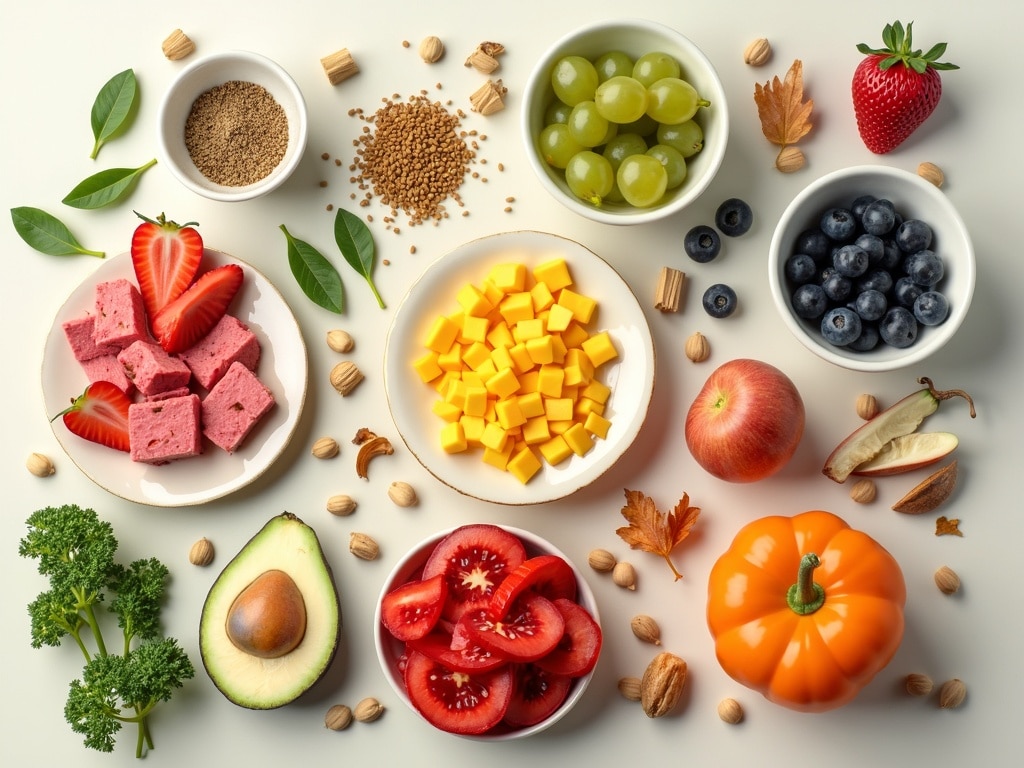
Foods to Include in Your Estrogen Dominance Diet
This list provides a more detailed look at the specific foods you should prioritize in your diet:
**Flaxseeds:Rich in lignans, which have estrogen-modulating effects. Add ground flaxseeds to smoothies, yogurt, or oatmeal.
**Leafy Greens:Spinach, kale, collard greens are packed with vitamins, minerals, and fiber.
**Berries:Antioxidant-rich and contain compounds that can help regulate estrogen levels.
**Mushrooms:Certain types, like maitake and shiitake, contain compounds that may have anti-estrogenic effects.
**Turmeric:Contains curcumin, a potent anti-inflammatory compound that can support liver detoxification.
**Healthy Fats:Avocado, olive oil, nuts, and seeds provide essential fatty acids and support hormone production.
**Lean Protein:Chicken, fish, beans, and lentils are important for building and repairing tissues, and for stabilizing blood sugar.
Foods to Limit or Avoid
Certain foods can contribute to estrogen dominance or hinder the body's ability to eliminate excess estrogen. It's best to limit or avoid these:
**Processed Foods:Often high in sugar, unhealthy fats, and additives that can disrupt hormone balance.
**Sugar:Contributes to insulin resistance and inflammation.
**Refined Carbohydrates:White bread, pasta, and rice can cause rapid spikes in blood sugar.
**Conventional Dairy:May contain synthetic hormones that can exacerbate estrogen dominance. Opt for organic, grass-fed dairy in moderation or explore dairy-free alternatives.
**Excessive Alcohol:Can impair liver function and disrupt hormone balance.
**Soy Products (in some cases):While soy contains phytoestrogens (plant-based estrogens), their effect on estrogen dominance is debated. Some individuals may benefit from moderate soy consumption, while others may find that it worsens their symptoms. Monitor your body's response.
**Coffee (in some cases):For some people, coffee can exacerbate hormonal imbalances. Monitor how you feel when drinking coffee.
Lifestyle Factors to Consider
Diet is a powerful tool, but it's not the only factor influencing estrogen dominance. Consider these lifestyle modifications to further support your hormonal health:
**Reduce Exposure to Xenoestrogens:Xenoestrogens are chemicals found in plastics, pesticides, and personal care products that mimic estrogen in the body. Choose organic foods, use glass or stainless steel containers, and opt for natural personal care products.
**Manage Stress:Chronic stress can disrupt hormone balance. Practice stress-reducing techniques like yoga, meditation, or spending time in nature.
**Get Enough Sleep:Sleep deprivation can negatively impact hormone production. Aim for 7-9 hours of quality sleep per night.
**Regular Exercise:Exercise helps improve insulin sensitivity and manage weight, both of which can positively impact hormone balance.
**Consider Supplements:Certain supplements, such as DIM, calcium-d-glucarate, and milk thistle, may support estrogen metabolism and liver detoxification. However, it's important to consult with a healthcare professional before starting any new supplements.
Sample Meal Plan for Estrogen Dominance
This is just a sample meal plan to give you an idea of how to incorporate the principles of an estrogen dominance diet into your daily life. Adjust it based on your individual needs and preferences.
**Breakfast:Oatmeal with berries, flaxseeds, and a sprinkle of nuts.
**Lunch:Salad with grilled chicken or chickpeas, mixed greens, and a variety of colorful vegetables (cucumber, bell peppers, carrots). Dress with olive oil and lemon juice.
**Dinner:Baked salmon with roasted Brussels sprouts and quinoa.
**Snacks:Apple slices with almond butter, a handful of almonds, or a small bowl of yogurt with berries.
Working with a Healthcare Professional
It's important to remember that everyone's body is different, and what works for one person may not work for another. If you suspect you have estrogen dominance, it's best to consult with a healthcare professional, such as a doctor or registered dietitian. They can help you determine the underlying cause of your imbalance and develop a personalized plan to address it. This may involve blood tests to assess your hormone levels, as well as recommendations for diet, lifestyle, and supplements. [externalLink insert]
The Takeaway
Addressing estrogen dominance through diet and lifestyle changes requires commitment and consistency. By focusing on fiber-rich foods, cruciferous vegetables, liver support, blood sugar balance, and gut health, you can naturally promote hormonal equilibrium and alleviate the symptoms associated with this common imbalance. Remember to listen to your body, work with a healthcare professional, and make gradual changes that you can sustain over the long term. Reclaiming your hormonal health is within reach!