

Ayurvedic Remedies for Stress and Anxiety: Finding Your Inner Balance
In today's relentlessly paced world, stress and anxiety have become unwelcome companions for many. Deadlines loom, social pressures mount, and the constant connectivity of modern life can leave us feeling frayed and overwhelmed. While conventional medicine offers solutions, many are turning to ancient holistic practices like Ayurveda for a more natural, sustainable path to inner peace. Ayurveda, meaning the science of life, offers a profound understanding of the mind-body connection and provides a wealth of time-tested remedies to soothe frayed nerves and restore emotional equilibrium. This article explores potent ayurvedic remedies for stress and anxiety, empowering you to reclaim your well-being and cultivate a life of balance and serenity.
Understanding Stress and Anxiety Through an Ayurvedic Lens
Ayurveda views stress and anxiety not as isolated conditions, but as imbalances within the body's three fundamental energies, or doshas: Vata, Pitta, and Kapha. Each dosha governs specific physiological and psychological functions, and understanding your dominant dosha is key to tailoring your stress-management approach.
- Vata: This dosha, associated with air and ether, is responsible for movement, communication, and creativity. When Vata is imbalanced, it can manifest as anxiety, fear, restlessness, and insomnia.
- Pitta: Linked to fire and water, Pitta governs metabolism, digestion, and intellect. An imbalance in Pitta can lead to irritability, anger, perfectionism, and stress-related digestive issues.
- Kapha: This dosha, composed of earth and water, provides structure, stability, and immunity. When Kapha is out of balance, it can result in lethargy, depression, emotional eating, and a sense of stagnation..
While everyone possesses all three doshas, one or two usually predominate. High stress levels often exacerbate existing imbalances, creating a vicious cycle of anxiety and unease. Ayurveda aims to break this cycle by identifying these imbalances and gently guiding you back towards equilibrium through diet, lifestyle adjustments, and herbal remedies. Knowing your dosha can help you find the best path forward.
Dietary Adjustments for Stress Relief: Nourishing Your Nervous System
Food is medicine, and Ayurveda emphasizes a diet that nourishes the nervous system and calms the mind. Here are some general dietary guidelines, tailored to each dosha, to help mitigate stress and anxiety:
General Guidelines:
- Prioritize whole, unprocessed foods: Focus on fresh fruits, vegetables, whole grains, and legumes.
- Avoid stimulants: Limit caffeine, alcohol, and processed sugars, as they can exacerbate anxiety.
- Stay hydrated: Drink plenty of water throughout the day to flush out toxins and support overall well-being.
- Eat mindfully: Savor each bite and pay attention to your body's hunger and fullness cues.
Dosha-Specific Recommendations:
- Vata-pacifying diet: Favor warm, cooked foods that are grounding and nourishing, such as soups, stews, and root vegetables. Avoid cold, dry, and airy foods like salads, chips, and carbonated beverages. Focus on sweet, sour, and salty tastes.
- Pitta-pacifying diet: Opt for cooling, hydrating foods like cucumbers, melons, and leafy greens. Reduce spicy, oily, and fermented foods, as well as red meat. Focus on sweet, bitter, and astringent tastes.
- Kapha-pacifying diet: Choose light, dry, and warm foods that stimulate digestion, such as spicy dishes, lean proteins, and plenty of vegetables. Limit heavy, oily, and sweet foods like dairy products, fried foods, and refined sugars. Favor pungent, bitter, and astringent tastes.
Ayurvedic Herbs for Calming the Mind and Body
Ayurveda boasts a rich pharmacopoeia of herbs renowned for their stress-relieving and anxiety-reducing properties. These herbs work synergistically to nourish the nervous system, promote relaxation, and restore emotional balance.
- Ashwagandha (Withania somnifera): An adaptogenic herb that helps the body adapt to stress, reduce cortisol levels, and improve sleep quality.
- Brahmi (Bacopa monnieri): Known for its cognitive-enhancing properties, Brahmi also calms the mind, reduces anxiety, and promotes relaxation.
- Tulsi (Ocimum sanctum): Also known as Holy Basil, Tulsi is a potent adaptogen that helps manage stress, boost immunity, and uplift the spirit.
- Shatavari (Asparagus racemosus): Primarily known as a female tonic, Shatavari also possesses calming properties and can help alleviate anxiety related to hormonal imbalances.
- Jatamansi (Nardostachys jatamansi): A powerful nervine tonic that calms the mind, reduces anxiety, promotes restful sleep, and improves memory.
- Valerian (Valeriana officinalis): Widely recognized for its sedative properties, valerian can help reduce anxiety and promote restful sleep.
It’s important to consult with a qualified Ayurvedic practitioner or healthcare professional before taking any herbal supplements, especially if you are pregnant, breastfeeding, or taking other medications.
Lifestyle Practices for Stress Reduction: Cultivating Inner Peace
Beyond diet and herbs, Ayurveda emphasizes the importance of daily routines and lifestyle modifications to manage stress and anxiety. Incorporating these practices into your daily life can significantly enhance your overall well-being:
Dinacharya (Daily Routine):
- Rise early: Wake up before sunrise to align with the natural rhythms of the day.
- Oil massage (Abhyanga): Massage your body with warm sesame or coconut oil to nourish the skin, calm the nerves, and promote circulation.
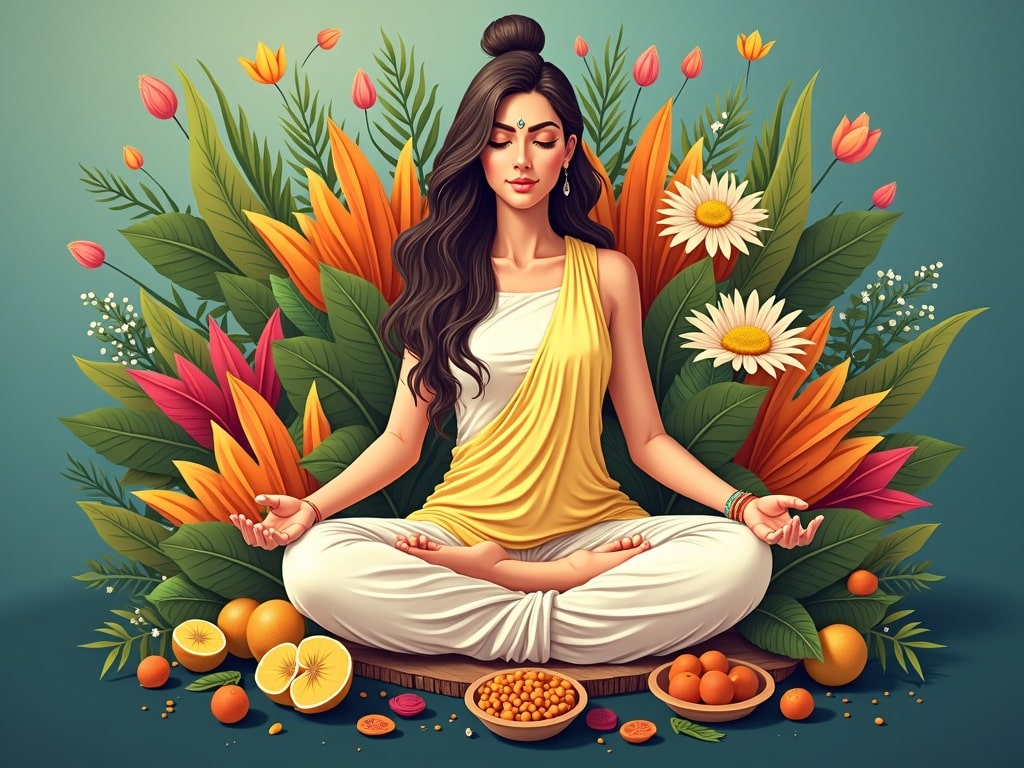
- Yoga and Meditation: Engage in regular yoga and meditation practices to quiet the mind, release tension, and cultivate inner peace.
- Pranayama (Breathwork): Practice calming breathing exercises like alternate nostril breathing (Nadi Shodhana) or bumblebee breath (Brahmari) to reduce anxiety and promote relaxation.
Other Lifestyle Recommendations:
- Prioritize sleep: Aim for 7-8 hours of quality sleep each night to allow your body and mind to rest and rejuvenate.
- Spend time in nature: Immerse yourself in natural surroundings to reconnect with the earth, reduce stress, and boost your mood.
- Practice mindfulness: Pay attention to the present moment without judgment, cultivating awareness of your thoughts, feelings, and sensations.
- Limit screen time: Reduce your exposure to electronic devices before bed and create a relaxing bedtime routine.
- Connect with loved ones: Nurture your relationships and spend time with people who support and uplift you.
Simple Ayurvedic Remedies to Integrate into Your Daily Routine
Ayurveda offers several simple yet effective remedies that can be easily integrated into your daily routine to manage stress and anxiety:
- Warm milk with nutmeg: Drink a cup of warm milk with a pinch of nutmeg before bed to promote restful sleep.
- Herbal tea: Sip on calming herbal teas like chamomile, lavender, or tulsi throughout the day.
- Nasya (Nasal Oil Application): Apply a few drops of warm sesame or Brahmi oil into each nostril to soothe the nasal passages and calm the mind.
- Self-Massage (Abhyanga): Even a short self-massage can help reduce stress and promote relaxation. Focus on areas where you hold tension, such as the neck, shoulders, and jaw.
- Oil Pulling: Swishing sesame or coconut oil in your mouth for 10-20 minutes can help to detoxify the body and calm excess Vata.
Creating a Personalized Ayurvedic Plan
While these general guidelines and remedies can be beneficial, the most effective approach to managing stress and anxiety with Ayurveda is to consult with a qualified practitioner. An Ayurvedic doctor can assess your unique constitution (Prakriti), identify any imbalances (Vikriti), and create a personalized plan that includes dietary recommendations, herbal remedies, lifestyle modifications, and therapeutic treatments tailored to your specific needs.
The Importance of Patience and Consistency
Ayurvedic remedies are not quick fixes but rather a gradual process of restoring balance and harmony within the mind and body. It's important to be patient with yourself and commit to consistently incorporating these practices into your daily life. With sustained effort and dedication, you can unlock the transformative power of Ayurveda and experience profound relief from stress and anxiety, paving the way for a more peaceful, joyful, and fulfilling life.
Embrace the Journey to Inner Peace
Stress and anxiety do not have to define your existence. Ayurveda offers a holistic, time-tested approach to reclaiming your well-being and cultivating inner peace. By understanding your unique constitution, making mindful dietary choices, incorporating calming lifestyle practices, and embracing the wisdom of Ayurvedic herbs, you can navigate the challenges of modern life with greater resilience, balance, and serenity. Remember, the journey to inner peace is a marathon, not a sprint. Embrace the process, be kind to yourself, and trust in the transformative power of Ayurveda.