Red Yeast Rice: A Natural Path to Cholesterol Management?
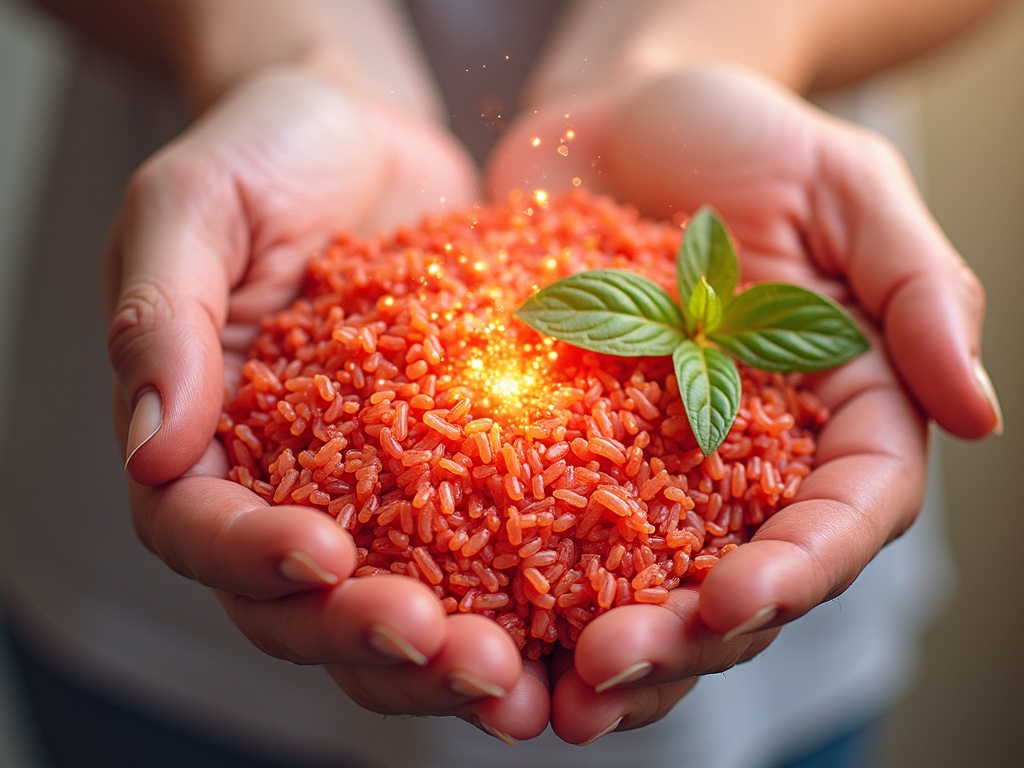
Imagine a vibrant crimson powder, born from a humble grain, holding the potential to nudge your cholesterol levels in the right direction. This isn't a scene from an ancient apothecary's workshop, but a glimpse into the world of red yeast rice, a traditional remedy increasingly recognized for its cholesterol-managing properties. But how effective is it, and is it right for you? Let's delve into the science, benefits, and potential risks of using red yeast rice for cholesterol management.
What is Red Yeast Rice?
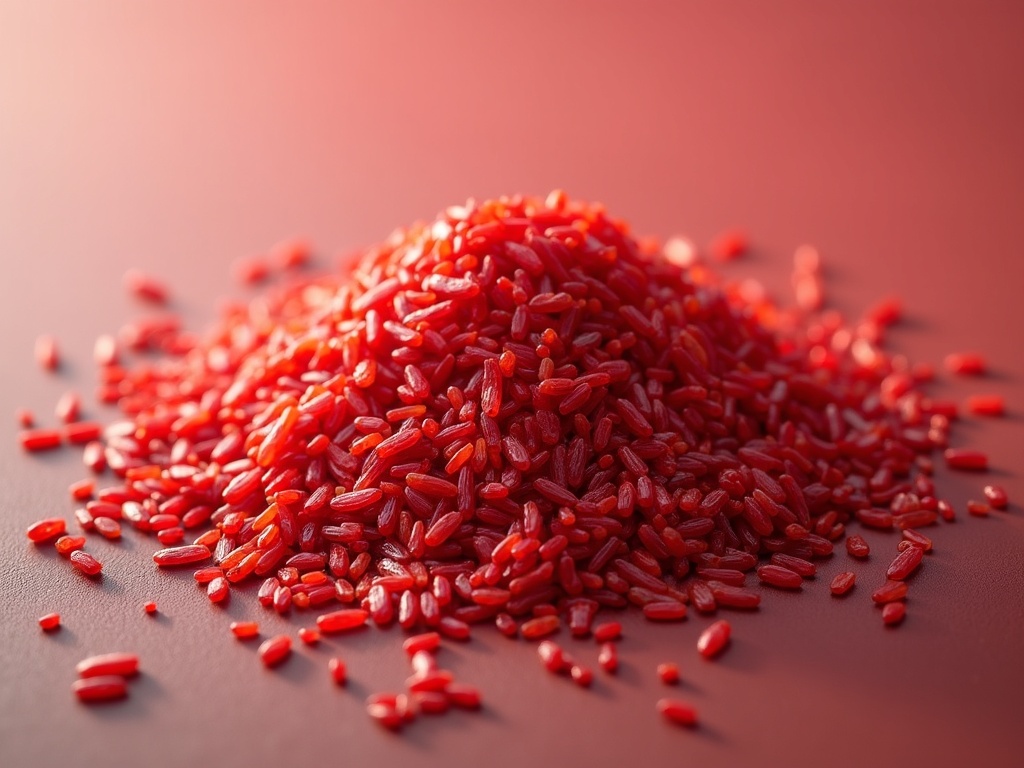
Red yeast rice (RYR) is produced by fermenting white rice with a specific type of mold called *Monascus purpureus*. This fermentation process not only gives the rice its distinctive red color but also produces a variety of compounds, most notably monacolins. These monacolins, particularly monacolin K, are structurally identical to lovastatin, a cholesterol-lowering drug.
For centuries, RYR has been a staple in traditional Chinese medicine, used not only for its potential health benefits but also as a food preservative, coloring agent, and flavor enhancer. Today, it's available as a dietary supplement, often touted as a natural alternative to statins for managing cholesterol. It is important to note that the composition of red yeast rice products can vary significantly, leading to inconsistencies in their monacolin content and therefore, their effectiveness.
How Does Red Yeast Rice Affect Cholesterol?
The primary mechanism by which red yeast rice lowers cholesterol involves, as mentioned earlier, monacolin K. Monacolin K inhibits an enzyme called HMG-CoA reductase. This enzyme plays a crucial role in the body's synthesis of cholesterol. By blocking the action of this enzyme, monacolin K effectively reduces the production of cholesterol in the liver.
Beyond monacolin K, red yeast rice contains other compounds, including sterols, isoflavones, and fatty acids, which may contribute to its overall health benefits. These compounds may have antioxidant and anti-inflammatory properties, offering additional support for cardiovascular health. However, the exact role and potency of these other compounds are still under investigation.
The Science Behind the Claims
Numerous studies have investigated the effects of red yeast rice on cholesterol levels. Several meta-analyses, which combine the results of multiple studies, have shown that RYR supplementation can significantly reduce total cholesterol, LDL (bad) cholesterol, and triglycerides, while modestly increasing HDL (good) cholesterol.
One notable study, published in the American Journal of Clinical Nutrition, found that RYR supplementation, combined with lifestyle changes, led to a significant reduction in LDL cholesterol levels compared to placebo. Other studies have shown comparable results, suggesting that RYR can be an effective tool for managing cholesterol, particularly in individuals with mildly to moderately elevated levels. However, it's crucial to remember that individual responses can vary, and RYR may not be suitable for everyone.
Benefits Beyond Cholesterol: What Else Can Red Yeast Rice Offer?
While its cholesterol-lowering effects are the most well-known, red yeast rice may offer several other potential health benefits:
- Improved Blood Sugar Control: Some studies suggest that RYR may help improve blood sugar control in individuals with type 2 diabetes.
- Reduced Inflammation: The antioxidant and anti-inflammatory properties of RYR may help reduce chronic inflammation, a key factor in many diseases.
- Enhanced Bone Health: Research indicates that RYR could potentially improve bone mineral density and reduce the risk of osteoporosis, though more research is needed.
It is important to emphasize that research into these additional benefits is still ongoing, and further studies are needed to confirm these findings. Red yeast rice should not be considered a replacement for conventional medical treatments for any of these conditions.
Potential Risks and Side Effects
Like any supplement or medication, red yeast rice carries potential risks and side effects that you should be aware of:
- Muscle Pain and Weakness: Similar to statin medications, RYR can cause muscle pain, weakness, and cramping (myopathy). This is due to the monacolin K content, which has the same mechanism of action as statins. If you experience these symptoms, it's essential to consult your doctor.
- Liver Damage: In rare cases, RYR can cause liver damage. It's important to have your liver function monitored regularly while taking RYR, especially if you have pre-existing liver conditions.
- Gastrointestinal Issues: Some people may experience gastrointestinal side effects like nausea, bloating, gas, and diarrhea.
- Allergic Reactions: Allergic reactions, though uncommon, are possible. Symptoms may include rash, itching, hives, and difficulty breathing.
- Contamination: Some RYR products may be contaminated with citrinin, a mycotoxin produced by certain molds. Citrinin can cause kidney damage, so it's crucial to choose reputable brands that test their products for contaminants.
Important Note: Red yeast rice should not be taken by pregnant or breastfeeding women, individuals with liver disease, or those already taking statin medications. Always consult with your doctor before starting RYR, especially if you have any underlying health conditions or are taking other medications.
Dosage and How to Use Red Yeast Rice
The appropriate dosage of red yeast rice can vary depending on the product and the individual's needs. However, a typical dosage ranges from 600 mg to 2400 mg per day, usually divided into two doses. It's crucial to follow the dosage instructions on the product label or as directed by your healthcare provider.
When choosing a red yeast rice supplement, look for reputable brands that have been independently tested for purity and potency. Check the label for the amount of monacolin K per serving and ensure that the product is free from citrinin. Furthermore, understand that the FDA does not regulate red yeast rice supplements in the same way as prescription drugs. In fact, any RYR product marketed as a supplement that contains more than trace amounts of monacolin K is technically considered an unapproved new drug and is subject to FDA enforcement. This is part of the reason why quality varies so wildly and testing is so important.
Red Yeast Rice vs. Statins: Key Differences and Similarities
Red yeast rice and statin medications both lower cholesterol by inhibiting HMG-CoA reductase. However, there are several key differences:
- Source: Statins are synthetic drugs, while RYR is a natural product derived from fermented rice.
- Potency: Statins are typically more potent and have a more predictable effect on cholesterol levels. The potency of RYR can vary depending on the monacolin K content.
- Regulation: Statins are regulated by the FDA and undergo rigorous testing for safety and efficacy. RYR supplements are not subject to the same level of regulation.
- Side Effects: While both can cause similar side effects, the risk of muscle pain and liver damage may be lower with RYR compared to higher doses of statins. However, this isn't always the case, and some individuals may experience more side effects with RYR.
Red yeast rice may be a suitable option for individuals with mildly elevated cholesterol levels who prefer a natural approach or who cannot tolerate statins. [externalLink insert] However, it's essential to discuss the risks and benefits with your doctor to determine the best course of treatment for your individual needs. For individuals with significantly elevated cholesterol levels or a high risk of cardiovascular disease, statins are generally the preferred treatment option.
Making an Informed Decision
Red yeast rice offers a potential natural approach to cholesterol management, but it's not a magic bullet. It's essential to approach it with caution, awareness, and guidance from your healthcare provider. Consider these points when making your decision:
- Consult Your Doctor: Before starting RYR, discuss your cholesterol levels and overall health with your doctor.
- Choose Reputable Brands: Select RYR supplements from trusted brands that test for purity and potency.
- Monitor Your Health: Have your cholesterol and liver function monitored regularly while taking RYR.
- Be Aware of Side Effects: Pay attention to any potential side effects and report them to your doctor.
- Combine with Lifestyle Changes: Red yeast rice is most effective when combined with a healthy diet, regular exercise, and stress management.
Ultimately, the decision to use red yeast rice for cholesterol management is a personal one that should be made in consultation with your healthcare provider. By understanding the potential benefits, risks, and limitations of RYR, you can make an informed choice that supports your overall health and well-being.