
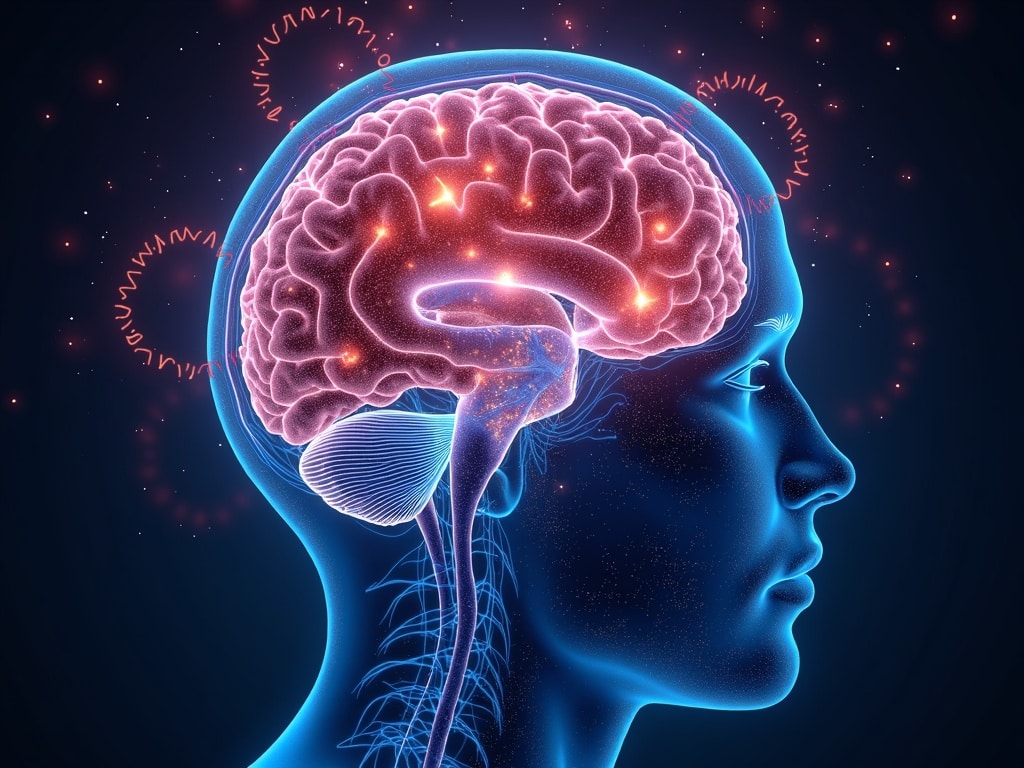
The Gut-Brain Axis: Unlocking the Secrets to Cognitive Function
Imagine a world where your thoughts are clearer, your memory sharper, and your overall mental performance consistently at its peak. While many factors influence cognitive function, an increasingly researched and fascinating area is the intricate connection between your gut and your brain: the gut-brain axis. This bi-directional communication system plays a pivotal role in not just your digestive health, but also your cognitive abilities, mood, and overall well-being. Let's delve into the fascinating world of the gut-brain axis and uncover how it impacts cognitive function.
Understanding the Gut-Brain Axis
The gut-brain axis (GBA) is a complex network involving the central nervous system (CNS), the enteric nervous system (ENS) (often called the second brain of the gut), the immune system, and the gut microbiota. It operates through several pathways:
**The Vagus Nerve:This is the longest cranial nerve in the body, acting as a direct communication line between the gut and the brain. Signals travel bidirectionally, impacting everything from digestion to mood regulation.
**Neurotransmitters:The gut produces a significant amount of neurotransmitters like serotonin, dopamine, and GABA, which are crucial for mood, motivation, and cognitive function. These neurotransmitters can directly influence brain activity.
**The Immune System:The gut houses a large portion of the body's immune cells. Imbalances in the gut microbiota can trigger inflammation, which can travel to the brain and impair cognitive function.
**Short-Chain Fatty Acids (SCFAs):These are produced when gut bacteria ferment dietary fiber. SCFAs like butyrate, acetate, and propionate have beneficial effects on both gut health and brain function.
The Gut Microbiota: A Key Player
The gut microbiota, the community of trillions of microorganisms residing in your intestines, is a central component of the gut-brain axis. This diverse ecosystem of bacteria, fungi, viruses, and other microbes profoundly influences your health. A healthy gut microbiota contributes to:
**Nutrient Absorption:Gut bacteria help break down food and extract nutrients essential for brain function, such as B vitamins and amino acids.
**Immune Modulation:A balanced gut microbiota helps regulate the immune system, preventing excessive inflammation that can harm the brain.
**Neurotransmitter Production:Certain gut bacteria synthesize neurotransmitters that directly affect mood and cognitive processes.
How the Gut Impacts Cognitive Function
The gut-brain axis impacts several key aspects of cognitive function:
**Memory:Research suggests that the gut microbiota can influence memory consolidation and recall. A healthy gut may enhance the ability to form new memories and retrieve existing ones.
**Learning:Gut bacteria have been linked to improved learning abilities. SCFAs, in particular, may promote neuroplasticity, the brain's ability to adapt and learn new things.
**Attention and Focus:An imbalanced gut microbiota can contribute to brain fog, characterized by difficulty concentrating, poor focus, and mental fatigue. Restoring gut health may improve attention span and mental clarity.
**Executive Function:The prefrontal cortex, responsible for executive functions like planning, decision-making, and problem-solving, is highly susceptible to the influence of the gut-brain axis. Gut dysbiosis and inflammation can impair these crucial cognitive processes.
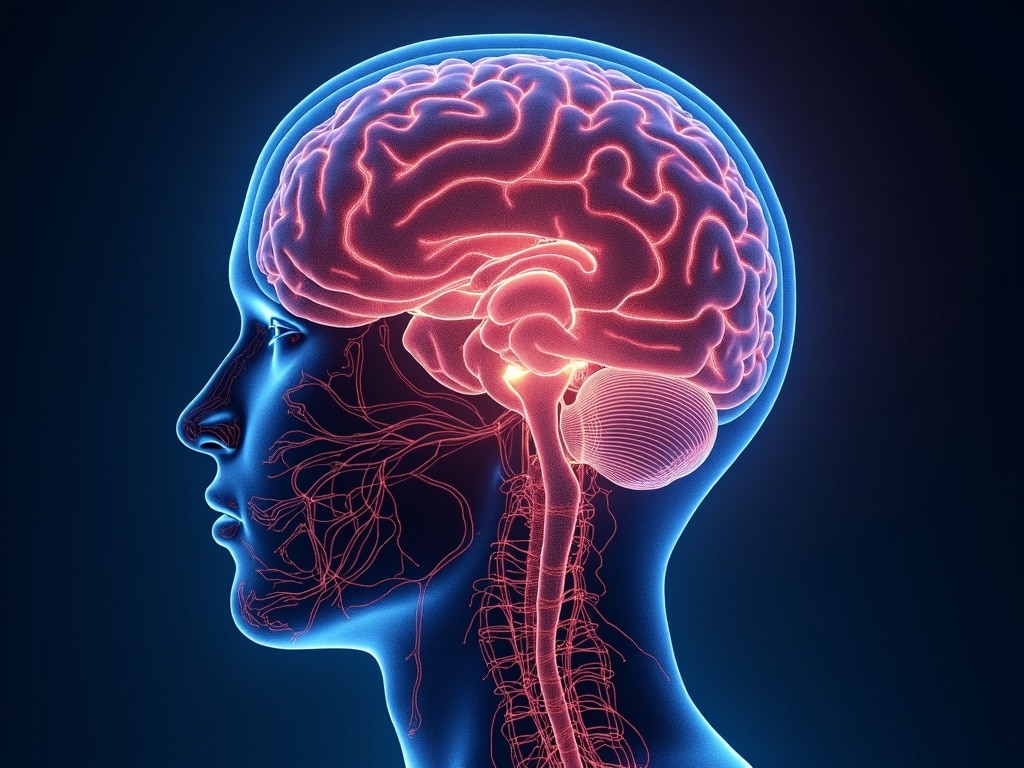
Conditions Linked to Gut-Brain Axis Dysfunction
Several neurological and psychiatric conditions have been linked to gut-brain axis dysfunction:
**Anxiety and Depression:The gut-brain axis plays a significant role in mood regulation. Imbalances in gut bacteria and increased inflammation have been associated with anxiety and depression.
**Autism Spectrum Disorder (ASD):Many individuals with ASD experience gastrointestinal issues and altered gut microbiota composition. Research suggests a possible link between gut dysfunction and behavioral symptoms in ASD.
**Alzheimer's Disease:The gut-brain axis may be implicated in the development and progression of Alzheimer's disease. Gut dysbiosis and inflammation may contribute to the accumulation of amyloid plaques and neurodegeneration, hallmarks of the disease.
**Parkinson's Disease:Emerging research suggests that gut dysbiosis may precede the onset of motor symptoms in Parkinson's disease. The gut-brain axis may play a role in the spread of the disease from the gut to the brain.
Strategies to Optimize the Gut-Brain Axis for Enhanced Cognitive Function
Now that we understand the profound connection between the gut and the brain, let's explore practical strategies to optimize this axis for improved cognitive function:
1. Nourish Your Gut with a Diverse Diet
A diet rich in whole, unprocessed foods is essential for a healthy gut microbiota. Focus on:
**Fiber-rich foods:Fruits, vegetables, whole grains, and legumes provide prebiotics, which feed beneficial gut bacteria.
**Fermented foods:Yogurt, kefir, sauerkraut, kimchi, and kombucha contain probiotics, live microorganisms that can improve gut health.
**Healthy fats:Omega-3 fatty acids, found in fatty fish, flaxseeds, and walnuts, have anti-inflammatory properties that can benefit both the gut and the brain.
**Limit processed foods, sugar, and artificial sweeteners:These can negatively impact gut bacteria and contribute to inflammation.
2. Embrace Probiotics and Prebiotics
**Probiotic supplements:Consider taking a high-quality probiotic supplement with a diverse range of bacterial strains. Consult with a healthcare professional to determine the best probiotic for your individual needs.
**Prebiotic-rich foods:Incorporate foods like garlic, onions, asparagus, bananas, and oats into your diet to provide fuel for beneficial gut bacteria.
3. Manage Stress Levels
Chronic stress can disrupt the gut microbiota and impair the gut-brain axis communication. Practice stress-reducing techniques such as:
**Mindfulness meditation:Regular meditation can help reduce stress hormones and promote relaxation.
**Yoga and exercise:Physical activity can improve mood and reduce stress levels.
**Spending time in nature:Exposure to nature has been shown to have stress-reducing effects.
**Prioritize sleep:Aim for 7-9 hours of quality sleep per night to support both gut and brain health.
4. Stay Hydrated
Adequate hydration is crucial for gut health and overall well-being. Drink plenty of water throughout the day to support optimal digestion and nutrient absorption.
5. Limit Antibiotic Use
While antibiotics can be life-saving, they can also disrupt the gut microbiota. Use antibiotics only when necessary and under the guidance of a healthcare professional. After antibiotic use, focus on replenishing the gut microbiota with probiotics and prebiotic-rich foods.
6. Consider Gut-Brain Axis Targeted Supplements
Certain supplements can specifically target the gut-brain axis to improve cognitive function:
**Butyrate:This SCFA has been shown to improve gut health and reduce inflammation, potentially enhancing cognitive function.
**L-Theanine:This amino acid, found in green tea, can promote relaxation and improve focus.
**Curcumin:This compound, found in turmeric, has anti-inflammatory and antioxidant properties that can benefit both the gut and the brain.
**Lion's Mane Mushroom:Studies have hinted at cognitive benefits.
The Future of Gut-Brain Axis Research
The field of gut-brain axis research is rapidly evolving. Future research is likely to focus on:
**Personalized nutrition:Tailoring dietary recommendations based on an individual's gut microbiota composition to optimize cognitive function.
**Targeted probiotic interventions:Developing specific probiotic formulations for treating neurological and psychiatric conditions.
**Fecal microbiota transplantation (FMT):Exploring the potential of FMT, the transfer of fecal matter from a healthy donor to a recipient, for restoring gut health and improving cognitive outcomes.
**Developing new drugs that target the gut-brain axis:Researching and developing medications that can modulate the gut microbiota or the pathways involved in gut-brain communication to treat neurological and psychiatric disorders.
Conclusion
The gut-brain axis is a fascinating and complex communication network that plays a critical role in cognitive function. By understanding the connection between your gut and your brain, you can take proactive steps to optimize your gut health and enhance your mental clarity, memory, and overall cognitive performance. Embrace a diverse diet, manage stress, and consider targeted supplements to nourish your gut and unlock the secrets to a sharper, more focused mind. As research continues to unravel the intricacies of the gut-brain axis, we can expect even more innovative strategies to emerge, paving the way for improved cognitive health and well-being for all.