
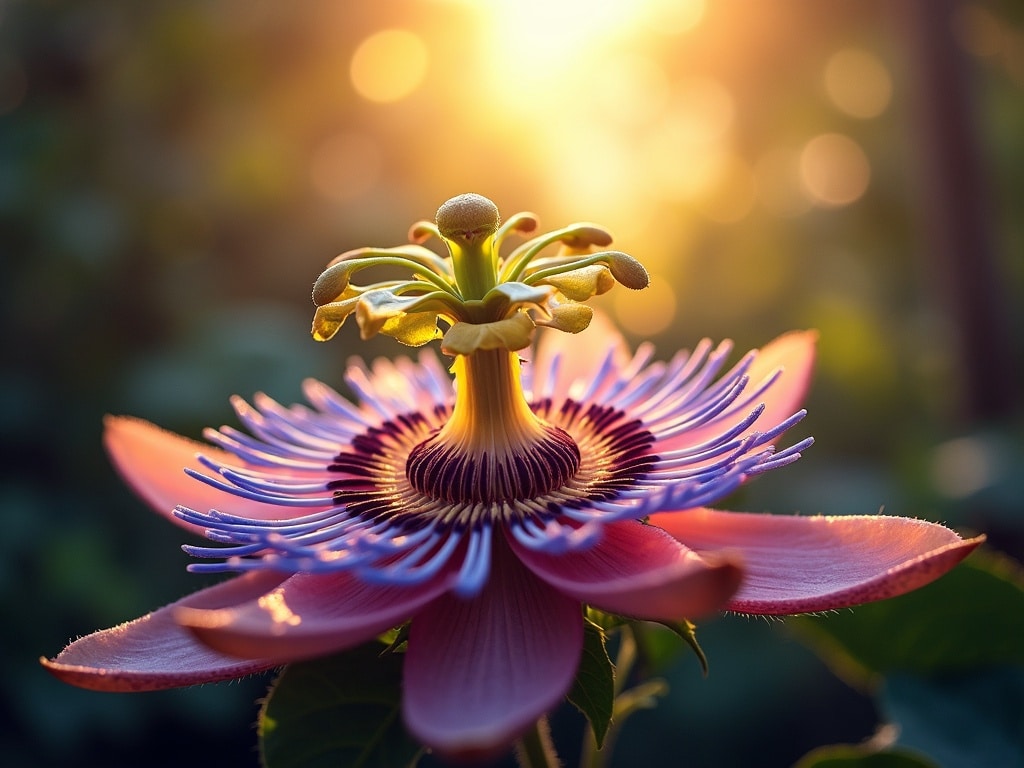
Unlocking Tranquility: Passionflower Benefits for Calming the Mind
In our relentlessly fast-paced world, finding moments of genuine calm can feel like searching for an oasis in a vast desert. Stress, anxiety, and sleepless nights have become unwelcome companions for many. But nature, in its infinite wisdom, often provides the remedies we seek. Enter passionflower (Passiflora incarnata), a vine with a vibrant history and a growing reputation for its remarkable calming properties. For centuries, indigenous cultures have revered passionflower. Now, modern science is beginning to validate its traditional uses, revealing the myriad passionflower benefits for calming the mind and restoring inner peace.
The Ancient Roots and Modern Renaissance of Passionflower
Passionflower's story is as captivating as its intricate blooms. Native to the Americas, particularly the southeastern United States and parts of Central and South America, it was quickly adopted by indigenous peoples for its medicinal properties. They used it primarily as a sedative and anxiolytic, finding that it eased anxiety, insomnia, and even nervous disorders. When Spanish explorers encountered passionflower in the 16th century, they saw in its unique structure a symbolic representation of Christ's passion – hence its name.
Today, passionflower is experiencing a resurgence in popularity. As people seek natural alternatives to prescription medications for anxiety and sleep disorders, they're turning to passionflower for its gentle yet effective calming action. While not a quick fix, many describe passionflower as a supportive ally in their quest for mental well-being, promoting relaxation without the harsh side effects often associated with synthetic drugs.
How Passionflower Calms the Mind: The Science Behind the Serenity
The calming effects of passionflower aren't just folklore; they're rooted in its unique chemical composition. While researchers are still unraveling the full picture, several compounds within passionflower are believed to contribute to its anxiety-reducing and sleep-promoting properties.
GABA and Anxiety Reduction
Gamma-aminobutyric acid (GABA) is a neurotransmitter that plays a crucial role in regulating nerve excitability throughout the nervous system. It essentially acts as the brain's brake pedal, slowing down nerve impulses and promoting relaxation. Some studies suggest that passionflower may increase levels of GABA in the brain, leading to a reduction in anxiety and a sense of calm. By modulating GABA activity, passionflower can help to quiet the mental chatter and ease racing thoughts that often accompany anxiety.
Antioxidants and Neuroprotection
Passionflower is also rich in antioxidants, which protect brain cells from damage caused by free radicals. Oxidative stress, resulting from an imbalance between free radicals and the body's ability to neutralize them, contributes to many conditions including anxiety and neurodegenerative diseases. By neutralizing free radicals, the antioxidants in passionflower could play a protective role for the brain, potentially reducing anxiety levels simply by improving overall brain health.
Passionflower Benefits: Beyond Calming – A Holistic Look
While passionflower is primarily recognized for its calming properties, its benefits extend beyond simple anxiety relief. This versatile herb offers a range of advantages for overall well-being.
- Improved Sleep Quality: For those struggling with insomnia or restless nights, passionflower can be a gentle sleep aid. It helps to relax the body and mind, making it easier to fall asleep and stay asleep throughout the night. Unlike some sleep medications, passionflower rarely causes grogginess or other unpleasant side effects.
- Reduced Symptoms of Menopause: The hormonal fluctuations during menopause can lead to various symptoms, including anxiety, irritability, and sleep disturbances. Passionflower may help to alleviate these symptoms by promoting relaxation and improving sleep quality.
- Alleviation of General Anxiety Disorder (GAD): Some research suggests passionflower can be as effective as certain prescription medications in managing symptoms of GAD. While more research is needed, these early findings are promising for people seeking natural alternatives.
- Pain Relief: Passionflower also possesses minor analgesic properties, meaning it can help to relieve mild pain, such as headaches or muscle aches, further promoting relaxation and decreasing stress.
- Reduced Blood Pressure: Preliminary studies suggest that passionflower may help to lower blood pressure, potentially contributing to cardiovascular health. However, consult with a doctor before using passionflower for this purpose, especially if you’re already taking medication for high blood pressure.
Incorporating Passionflower into Your Life: Forms and Methods
Passionflower is available in various forms, each with its own advantages and considerations:
- Tea: Passionflower tea is a popular and soothing way to enjoy its calming benefits. Simply steep dried passionflower leaves in hot water for 10-15 minutes and sip slowly. You can purchase premade passionflower tea bags, or loose-leaf tea which allow for greater control over concentration.
- Tinctures: Passionflower tinctures are concentrated liquid extracts that offer a potent dose of the herb. They can be added to water, juice, or taken directly under the tongue.
- Capsules and Tablets: Passionflower capsules and tablets provide convenient, pre-measured doses. This form is idea for people who dislike the taste of passionflower tea or tinctures.
- Topical Creams and Ointments: Though less common, passionflower can also be found in topical preparations. These are typically used for their skin-soothing and anti-inflammatory properties.
Tips for Consumption
- Start with a low dose: When first using passionflower, start with a low dose and gradually increase as needed. This allows you to assess how your body reacts to the herb and avoid potential side effects.
- Choose organic: Opt for organic passionflower products whenever possible to avoid exposure to pesticides and other harmful chemicals.
- Be mindful of drug interactions: Passionflower can interact with certain medications, such as sedatives, antidepressants, and blood thinners. Consult your doctor or pharmacist before using passionflower if you're taking any medications.
- Timing is key: For sleep improvement, taken 30-60 minutes before bed. For anxiety relief, you can drink passionflower tea or take a supplement throughout the day as needed.
Potential Side Effects and Precautions
Passionflower is generally considered safe for most people when taken in appropriate doses. However, some individuals may experience mild side effects, such as:
- Drowsiness: Due to its calming effects, passionflower can cause drowsiness or sedation. Avoid driving or operating heavy machinery after taking passionflower, especially if you're not used to its effects.
- Dizziness: Some people may experience dizziness, particularly at higher doses.
- Confusion: In rare cases, passionflower can cause confusion or impaired cognitive function.
- Gastrointestinal upset: Mild stomach upset or nausea can occur in some individuals.
- Allergic reactions: Although uncommon, allergic reactions to passionflower are possible. Discontinue use and seek medical attention if you experience symptoms such as hives, itching, or difficulty breathing.
Precautions:
- Pregnancy and breastfeeding: Avoid using passionflower during pregnancy or breastfeeding, as its effects on fetal development and infant health are not fully understood.
- Surgery: Stop taking passionflower at least two weeks before any planned surgery, as it may increase the risk of bleeding or interact with anesthesia.
- Children: Consult with a pediatrician before giving passionflower to children.
Passionflower vs. Other Calming Herbs: What Makes it Unique?
Passionflower is often compared to other calming herbs like chamomile, lavender, and valerian root. While they all share the ability to promote relaxation and reduce anxiety, each herb has its own unique properties and mechanisms of action.
| Herb | Primary Benefits | Mechanism of Action | Potential Side Effects |
|---|---|---|---|
| Passionflower | Anxiety relief, improved sleep quality, reduced menopause symptoms. | May increase GABA levels in the brain, antioxidant properties. | Drowsiness, dizziness, confusion (rare). |
| Chamomile | Relaxation, reduced anxiety, improved sleep. | Binds to GABA receptors in the brain. | Allergic reactions (especially in those allergic to ragweed), drowsiness. |
| Lavender | Anxiety relief, improved sleep, mood enhancement. | Affects neurotransmitter activity, aromatherapy benefits. | Skin irritation (when applied topically), mild drowsiness. |
| Valerian Root | Improved sleep, reduced anxiety. | Increases GABA levels in the brain, sedative properties. | Drowsiness, dizziness, headache, stomach upset. |
Passionflower distinguishes itself with its unique blend of calming and neuroprotective properties. While chamomile and lavender are often preferred for their gentle aromatherapy benefits, valerian root can be more potent as a sedative but may come with a higher risk of side effects. Passionflower occupies a middle ground, offering effective anxiety relief and sleep improvement with a relatively low risk of adverse reactions.
Cultivating Calm: A Holistic Approach to Anxiety Relief
While passionflower can be a valuable tool for calming the mind, it's important to remember that it's most effective when integrated into a holistic approach to anxiety relief. This includes adopting healthy lifestyle habits, practicing stress-reduction techniques, and seeking professional support when needed.
- Mindfulness Meditation: Regular meditation can help train your mind to focus on the present moment and reduce overthinking.
- Regular Exercise: Physical activity releases endorphins, which have mood-boosting and stress-reducing effects.
- Balanced Diet: A nutritious diet rich in fruits, vegetables, and whole grains provides the essential nutrients your brain needs to function optimally.
- Adequate Sleep: Aim for 7-8 hours of quality sleep per night to support mental and physical well-being.
- Social Connection: Spending time with loved ones and engaging in social activities can combat feelings of isolation and promote a sense of belonging.
- Professional Support: If anxiety is significantly impacting your life, consider seeking guidance from a therapist or counselor.
Embrace the Potential of Passionflower
Passionflower offers a gentle, natural path towards calming the mind and restoring inner peace. As research continues to uncover its potential, this remarkable herb holds promise for those seeking relief from anxiety, insomnia, and other stress-related ailments. By understanding the passionflower benefits for calming the mind, embracing a mindful approach to your own health and well-being, and integrating it wisely into a holistic lifestyle, you can unlock a greater sense of balance and tranquility in your daily life.